
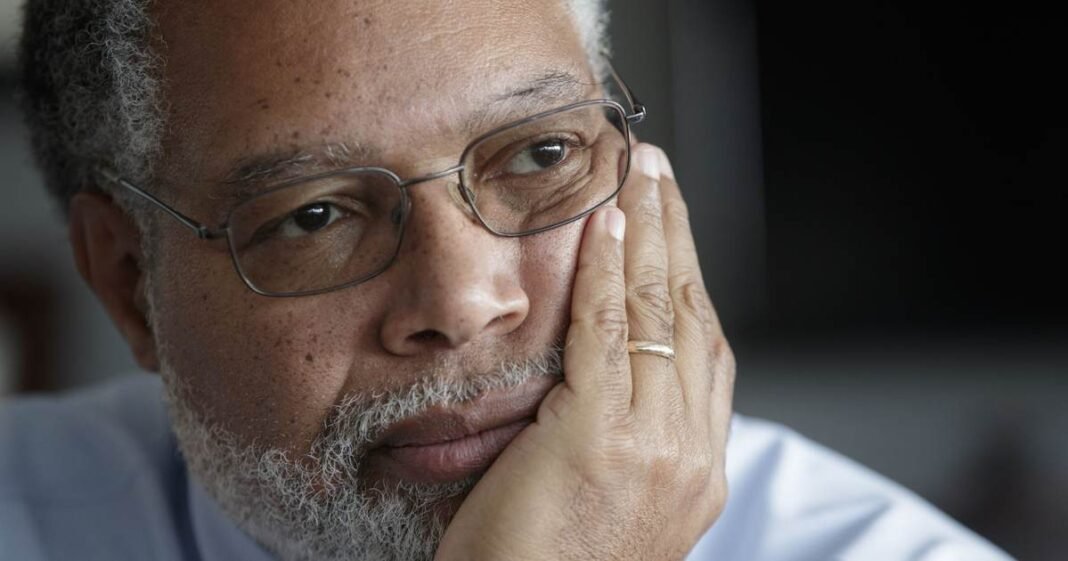
Lonnie Bunch Exits Smithsonian After Seven Turbulent Years
Lonnie Bunch is out of the Smithsonian after seven years that turned the institution into a battleground.
He announced his retirement on Tuesday, concluding a tenure marked by controversy over diversity initiatives and cultural programming.
American Spectator noted that Bunch embraced “DEI” as “integral to excellence in museum practice,” a stance that critics say shifted the Smithsonian away from its founding mission.
The Smithsonian, founded in 1846 with James Smithson’s bequest, was created “for the increase and diffusion of knowledge,” a mandate that many say Bunch diluted.
Until 2019, the museum faced few public controversies, but Bunch’s push for DEI reforms sparked backlash from conservatives and heritage groups.
In 1991, a National Museum of American Art exhibit that framed westward expansion through displacement and exploitation drew fire from lawmakers who threatened funding cuts.
Veterans and Congress also challenged a 1990s Air and Space Museum display on the Enola Gay, arguing that it portrayed Japan as a victim and questioned American actions.
Those disputes led to the resignation of museum director Martin Harwit, a pattern that critics say repeats under Bunch’s leadership.
Roger Kimball of The Spectator wrote that Bunch “wanted diversity and inclusion so central that it’s no longer talked about,” while still keeping the issue in constant discussion.
He also cited Bunch’s praise for the 1619 Project, saying the historian “wanted the Smithsonian to legitimize important issues, whether it’s 1619 or climate change.”
Bunch maintained that he remained apolitical, yet his policies infused the museum’s narrative with progressive politics.
“The test of a first‑rate intelligence is the ability to hold two opposed ideas in the mind at the same time,” a quote often attributed to F. Scott Fitzgerald, underscores the contradictory stance Bunch has taken.
Critics argue that his approach reflects a broader left‑liberal mindset that treats politics as a weapon against dissenting voices.
His departure leaves the Smithsonian poised for a new chapter, while supporters anticipate a return to its historic role as a neutral keeper of knowledge.

