
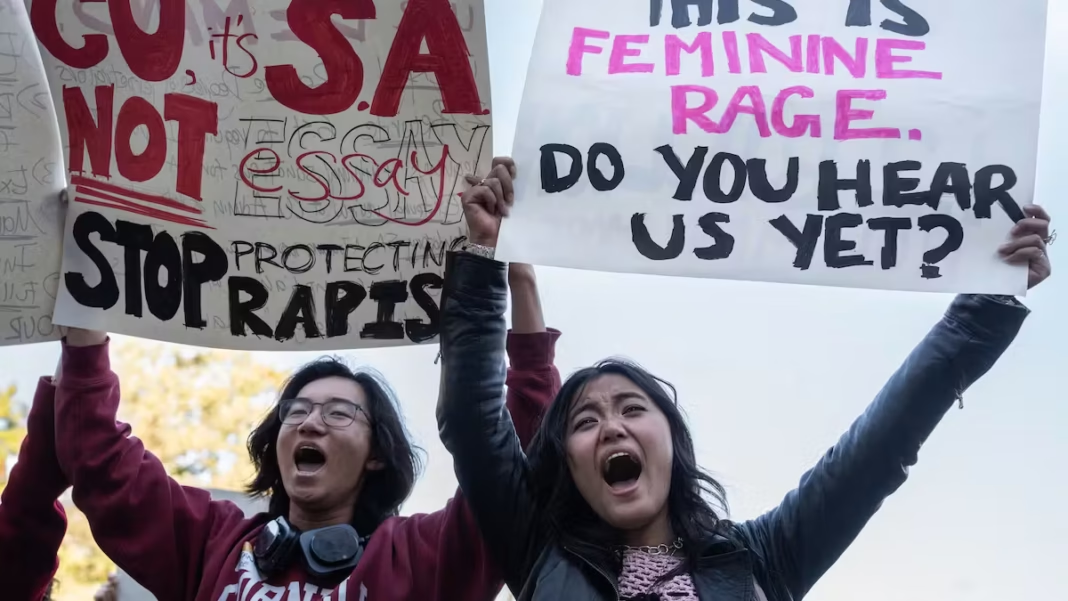
The Cornell 7 case has reignited the national debate over consent, sexual regret and #MeToo, sharpening the gender divide to a point of no return.
Case Overview
Jane Doe filed a lawsuit alleging she was drugged, intoxicated and assaulted for hours by seven fraternity brothers. The complaint claims the men coerced her into group sex despite her intoxication.
Campus Activism
Supporters have flooded social media with the hashtags #IAmJaneDoe and #WeAreAllJaneDoe, using decoy videos to shield Doe’s identity. The posts also feature personal accounts of date‑rape experiences, amplifying the controversy on campus and online.
Critique of Sex Positivity
The narrative frames Doe’s actions as evidence of harmful sex‑positive culture that urges women to lead with sexuality. Critics argue that this mindset blurs consent, inflates regret and encourages risky behavior.
Expert Insight
Dr. Debra Soh, a sex neuroscientist and author of *Sextinction*, told Matt Walsh’s film *What Is A Woman?* that sexual permissiveness can distort women’s expectations of consent. She notes that research links casual sex to higher rates of post‑encounter regret and feelings of being used.
Conclusion
The case underscores the need to separate genuine non‑consent from consensual regret. Holding all parties to the same standard, rejecting reckless sexual permissiveness and prioritizing clear communication will better protect both men and women.

