
Trump administration forces pediatric transgender facilities to close, creating a whack‑a‑mole scenario. The shutdowns are already reshaping the landscape of care for minors.
Clinic Closures and Reopenings
In Pasadena, California, pediatrician Johanna Olson‑Kennedy shut her clinic at the end of September after her corporate backer switched to an adults‑only model, The Federalist reported. She had been forced out of a previous practice in 2025 when Children’s Hospital of Los Angeles closed it, making this the second closure in two years.
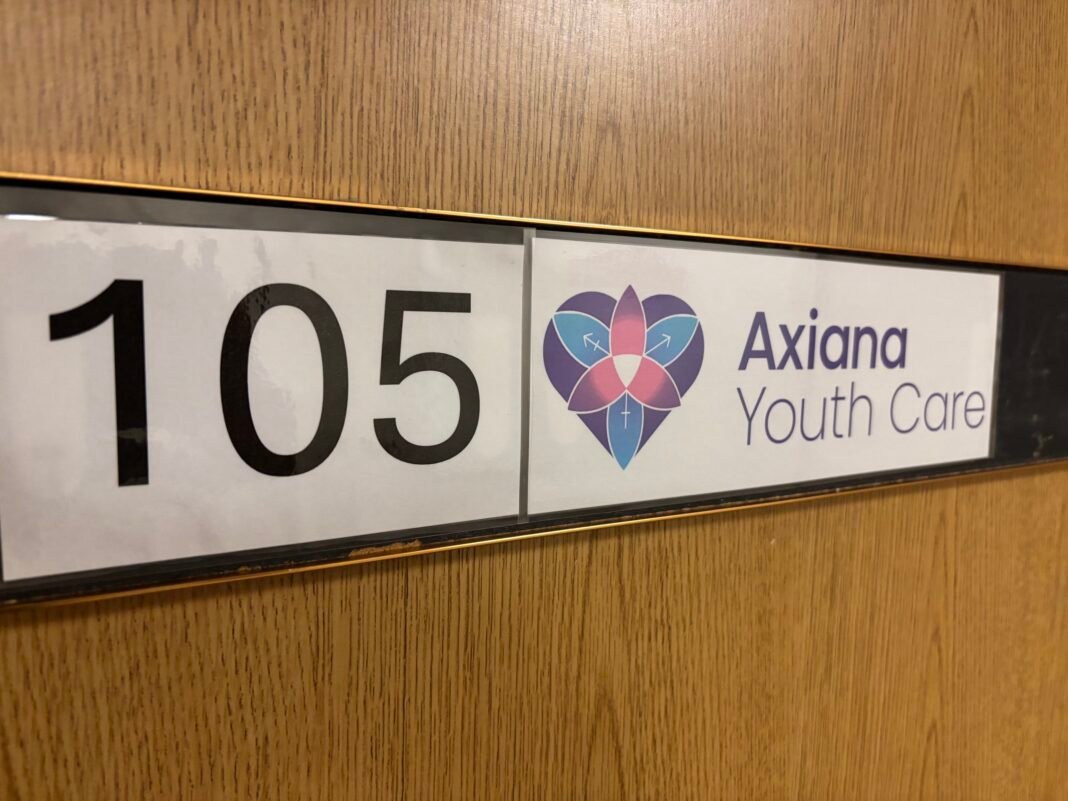
The Pasadena office reopened days later at the same address, displaying a new sign on the front door while the bathroom key notice remained missing. The sign indicates a patients‑only restroom policy, but the key‑access notice has yet to return.
California ended Medi‑Cal coverage for pediatric gender‑affirming procedures on October 13, shifting to a state‑only grant program that allocates $66 million, including $10 million earmarked for providers who perform sex‑rejecting surgeries.
The new program remains unfunded, and the California Department of Health Care Access and Information has not yet distributed any money, a department spokesman told The Federalist.
Olson‑Kennedy has not received any state funds because the administrator is still being selected, the department confirmed. She must wait for the program to launch before accessing any of the allocated resources.
The Trump administration is pursuing a legal campaign to close pediatric gender‑affirming clinics, citing Executive Order 13891 issued on January 28, 2025, which pledges to end medical and surgical mutilation of children.
Hospitals nationwide have agreed to shut their pediatric facilities under pressure, but some operators, like Olson‑Kennedy, are going independent.
Axiana Youth Care, the new independent clinic, has refused to answer The Federalist’s inquiries about funding, DOJ determinations, or operational plans, despite repeated emails.
The outcome will determine whether sex‑rejecting procedures for children can survive the current regulatory climate. Stakeholders are watching closely to see if the clinics can endure or will be forced out.

