
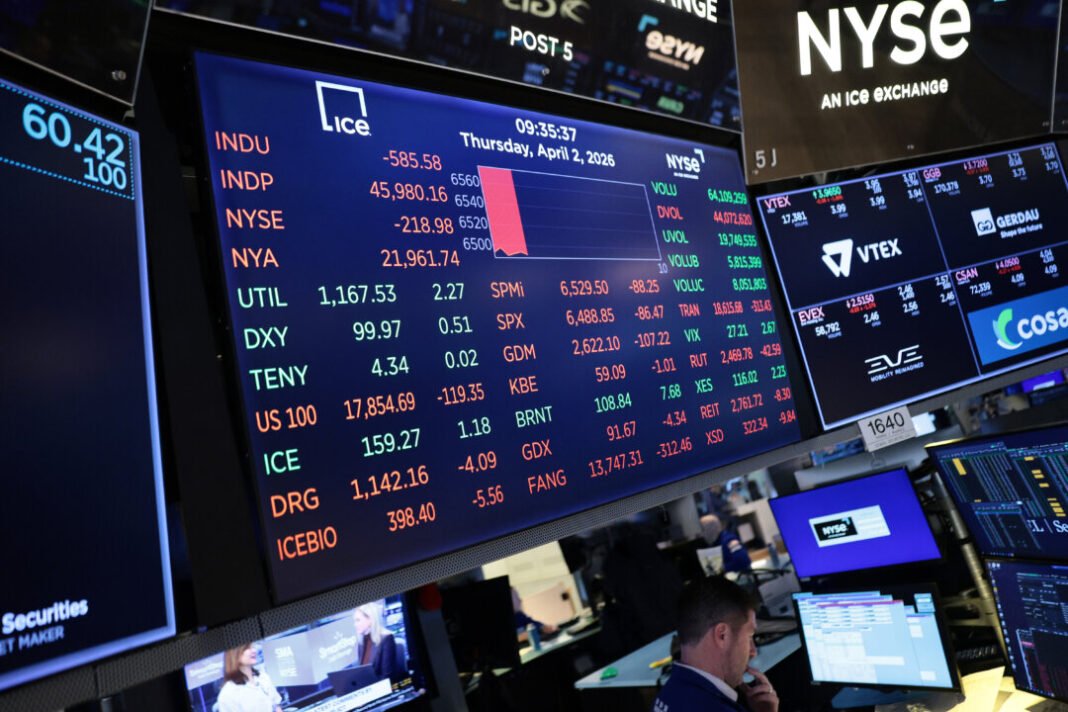
S&P 500 and Nasdaq closed at fresh record highs on Oct. 6, then reversed sharply as the week of Oct. 12‑16 inflicted a brutal sell‑off on technology investors.
October: From Record Highs to Market Turbulence
The rally stalled as inflation worries resurfaced, AI valuations looked stretched, and semiconductor stocks faltered. The Nasdaq fell 2.1 % to 26,140.03, its worst weekly drop since June, while the S&P 500 slipped 1.1 % and the Dow edged up 0.7 % for the week.
Even Legends Lose: The Rise and Fall of Jesse Livermore
Jesse Livermore earned roughly $100 million by shorting the 1929 crash, according to Business Insider, yet he filed for bankruptcy in 1934 with liabilities far exceeding assets and died by suicide in 1940. His trajectory shows that even famed speculators can lose fortunes despite correct calls.
When Record Highs Turn Into a Reality Check
Investors now question whether the massive capital poured into AI infrastructure will deliver earnings that justify lofty prices. Higher borrowing costs, inflation concerns, and uncertain spending have triggered sharp moves; Micron dropped 5.6 % and Intel 5.8 % on Friday, underscoring the fragility of concentrated bets.
High-Frequency Trading: Speed Is Not a Safety Net
High‑frequency firms use ultra‑fast computers to react to order‑book imbalances and provide market‑making spreads, but they employ position limits, real‑time monitoring and kill switches to curb risk. Liquidity gaps, technical glitches or flawed models can still cause large losses, proving speed alone does not shield traders.
Don’t Be Naive: Automation Is Not a Money Machine
Retail traders now access algorithmic tools and AI bots, yet thousands chase identical moving averages and signals, creating crowded positions that reverse quickly. Back‑tested strategies often fail live due to transaction costs, slippage or shifting markets, so automation cannot guarantee profits without sound judgment.
The Good Old Rules: Protect Your Capital and Accept Volatility
The following rules help traders survive drawdowns:
-
Control position size; risk only capital that can be afforded to lose.
-
Plan exits in advance; stop‑loss orders may not guarantee price in fast markets.
-
Respect leverage; borrowed money and options can magnify losses rapidly.
-
Avoid revenge trading; do not increase exposure to recoup losses.
-
Keep cash reserves separate from trading capital.
-
Diversify wisely; sector ETFs reduce company risk but remain exposed to broad market moves.
Survive Today to Trade Tomorrow
October’s turbulence confirms that markets move in waves, not straight lines. Record highs can reverse quickly, strategies can break, and even legends suffer reversals. Traders must know their exposure, act when conditions shift, and preserve capital to seize future opportunities.
The Epoch Times notes that the views expressed are those of the authors, for informational purposes only, and do not constitute investment, tax, legal or financial advice. The publication assumes no liability for accuracy or timeliness.

