
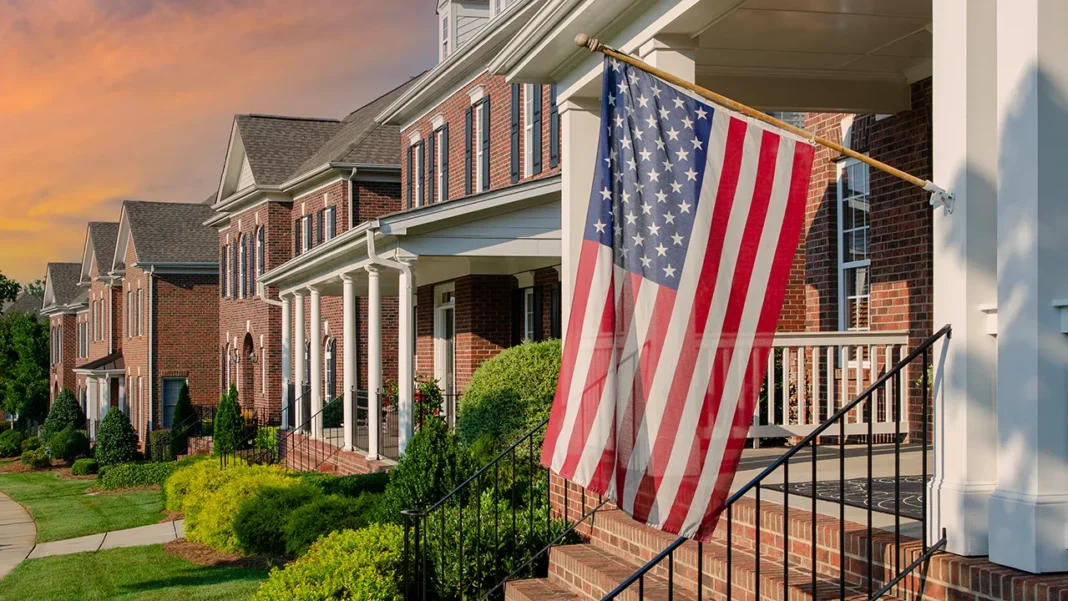
Homeownership is slipping farther from reach across America, even after Washington poured hundreds of billions into housing programs. A new analysis by Open The Books shows the gap between home prices and median household incomes widened in every state from 2015 to 2024.
Nationwide Affordability Gap Expands
Open The Books calculated the Affordability Gap by subtracting median income growth from home‑price index growth in each state, a metric that quantifies how quickly prices outpaced incomes. The group found prices rose faster than incomes in all 50 states, creating a double‑digit gap in 48 states and a gap exceeding 50 percentage points in 17 states.
“The further you get from a prospective homesite, the less effective any spending or regulatory tweak is likely to be,” said Christopher Neefus, vice president of communications for Open The Books. He added that a single federal agency is poorly equipped to deliver a uniform solution.
Regulatory Barriers Remain Unaddressed
Neefus argues that regulatory hurdles, zoning restrictions and local investment gaps, not federal spending, drive the affordability crisis. He says the answer must come from local reforms, not top‑down spending.
Federal Spending Fails to Close Gap
Open The Books tallied roughly $460 billion in HUD spending on 18 affordability programs from 2015 through 2024. It found virtually no linear relationship between the amount of federal funding a state received and the size of its affordability gap.
HUD pointed to the Trump administration’s moves to cut regulations, combat fraud and hand more housing decisions to state and local leaders. A HUD spokesperson said the agency has uncovered nearly $495 million in fraud, rolled back Biden‑era policies and helped more than one million Americans achieve homeownership.
Younger Generations Face New Reality
Median household income rose 99.7% from 2000 to 2024, while the median sale price of a single‑family home climbed 150.1% over the same period. The median age of a first‑time buyer has risen to 40, underscoring how younger Americans are being priced out of homeownership.
If younger generations view homeownership as less attainable, the analysis shows top‑down spending will not restore the American Dream. Neefus warned that only addressing local regulatory barriers can narrow the gap.

