
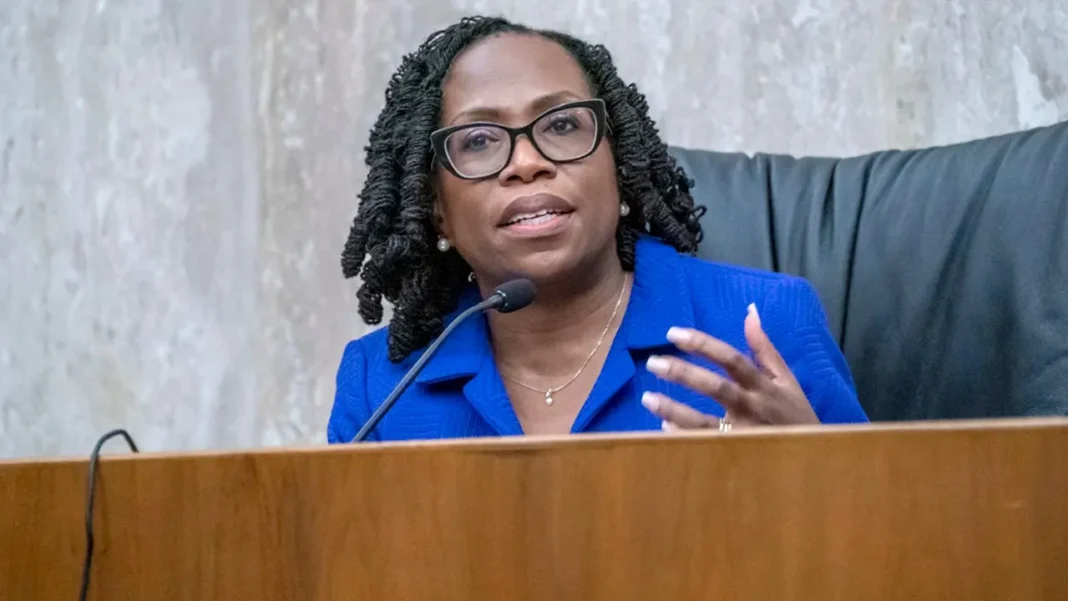
Jackson’s Dissent Underscores Election Law Tension
Supreme Court Justice Ketanji Brown Jackson broke ranks Thursday, dissenting alone as the court cleared New Hampshire’s ban on student ID cards for voting in the November midterms.
Jackson wrote that the proximity of an election should not impede a clearly justifiable federal‑court order ensuring accurate information about a state’s electoral processes, a stance that contrasted with the majority’s reliance on the precedent that lower courts must not alter election rules on the eve of an election.
Other justices cited the longstanding tradition that courts ordinarily may not change voting procedures shortly before an election, noting that the lower courts had not argued the case warranted an exception.
Los Angeles County Struggles to Verify Voter Citizenship
Los Angeles County election officials acknowledge they lack the resources to verify the citizenship status of registered voters, a gap that First Assistant U.S. Attorney Bill Essayli says undermines election integrity.
Essayli urged the state to act immediately to secure the voting process, arguing that the verification loophole threatens the legitimacy of ballots cast across California.
Political Implications and Voter ID Debate
Democrats warn that the New Hampshire decision equips the GOP with a fresh midterm weapon, as college students — traditionally Democratic voters — may be forced to obtain alternative identification.
Texas Senate nominee James Talarico has championed student‑ID acceptance in his state, while New Hampshire Secretary of State David Scanlan defended the guidance that barred student IDs, a position backed by the Republican National Committee.
Although Jackson was the sole public dissenter, analysts note she has consistently broken with her colleagues on campaign finance, immigration and congressional map cases, signaling a potential shift in the court’s balance.
The ruling comes as New Hampshire faces tight Senate and gubernatorial contests; the Senate race leans Democratic, potentially deciding control of Congress, while the governor’s race is projected to favor Republicans.
Student‑ID restrictions could affect turnout, but the exact impact remains unclear as voters must now present other accepted forms of identification.

