
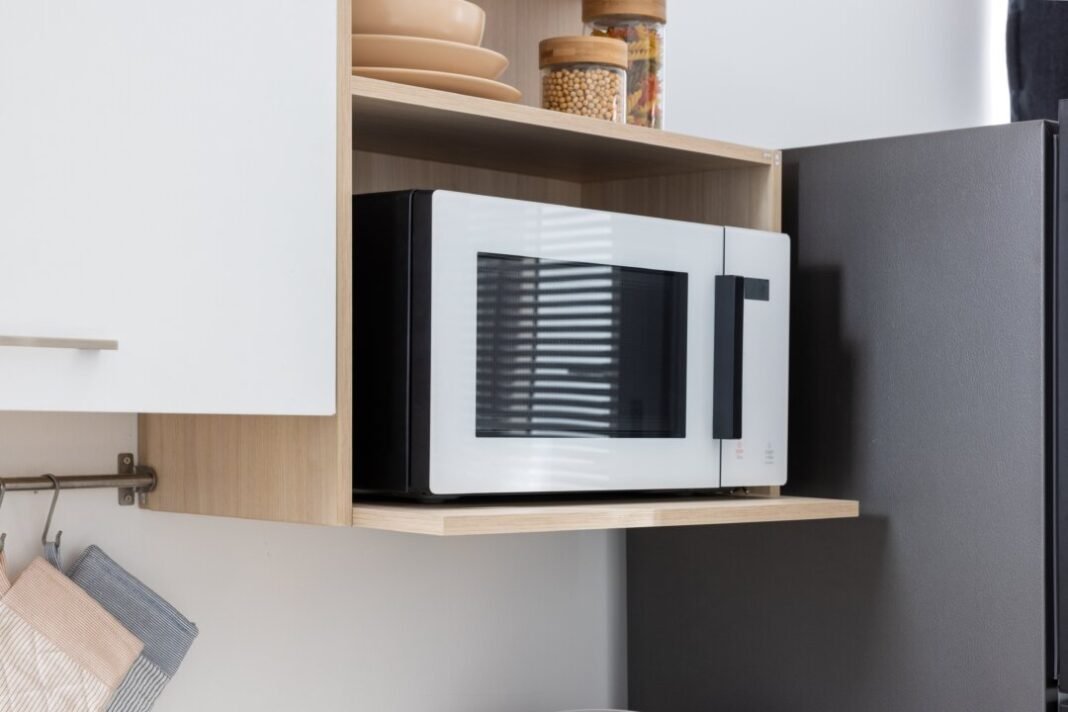
Microwaves can be spotless in under ten minutes without buying specialty sprays, according to cleaning experts.
Steam Cleaning Method
Fill a microwave‑safe bowl with one cup of water and add two tablespoons of plain white vinegar, then heat on high for three to five minutes until the interior fogs and steam billows.
Do not leave the appliance unattended; a boiled‑dry bowl can damage the magnetron, experts warn.
After the cycle ends, keep the door closed for five more minutes so the trapped steam softens dried splatters, grease and food residue that may have accumulated for weeks.
Open the door carefully, keeping your face away from the escaping steam, and remove the hot bowl with oven mitts.
A soft cloth or sponge wipes away most of the loosened grime; for stubborn spots, re‑wet the cloth with the warm vinegar solution once it cools to a safe temperature.
If vinegar is unavailable, plain water alone generates enough steam to clean most surfaces, and a few lemon slices add a fresh scent, cleaning authorities note.
For baked‑on deposits, mix one tablespoon of baking soda with enough water to form a paste, apply to the area, let sit several minutes, then gently rub and wipe clean, according to the American Cleaning Institute.
Avoid abrasive scrubbers, steel wool or scouring powders, which can scratch the interior finish and void the appliance warranty, experts advise.
Remove the glass turntable and its roller ring, wash them in warm soapy water, rinse and dry completely before reinstalling; check the owner’s manual before placing them in a dishwasher, and allow the hot glass to cool to prevent thermal shock.
Wipe door seals and surrounding edges with a damp cloth and mild dish soap to prevent food buildup that can hinder proper closing, cleaning guides recommend.
Clean the exterior by mixing a few drops of dish soap in warm water, wiping with a soft cloth, and buffing dry; spray cleaner onto the cloth rather than directly onto the control panel or vents, manufacturers suggest.
Never use bleach, ammonia, oven cleaner or other harsh chemicals inside the microwave unless the manufacturer explicitly approves them, and never operate a unit with a damaged door, latch or seal, safety officials warn.
Prevent future messes by covering food with a microwave‑safe lid or vented cover, or use a plain microwave‑safe plate that allows steam to escape, experts say.
A quick wipe of spills while the oven is still warm cuts cleaning time dramatically; thirty seconds today can save fifteen minutes of scrubbing later, cleaning guides note.
A clean microwave requires only water, a little patience and the satisfaction of seeing its original interior color, observers remark.

