
Pennsylvania health officials confirmed 1,561 measles cases across 46 counties this year, a 19‑case increase from Friday’s update, according to the state Department of Health.
Case Details and Hospitalizations
The department reported 61 new infections over the past seven days, raising total hospitalizations to 310 from 305, and confirmed seven measles‑associated deaths, the department said.
The seventh death, announced Friday, involved an unvaccinated resident of Montour County.
Children under 18 accounted for 32% of cases, while fewer than 1%—five individuals—were vaccinated, the department noted.
Nearly 20% of identified patients required hospitalization.
Symptoms and Contagion
Measles spreads through the air when an infected person coughs or sneezes and is highly contagious, the CDC explains.
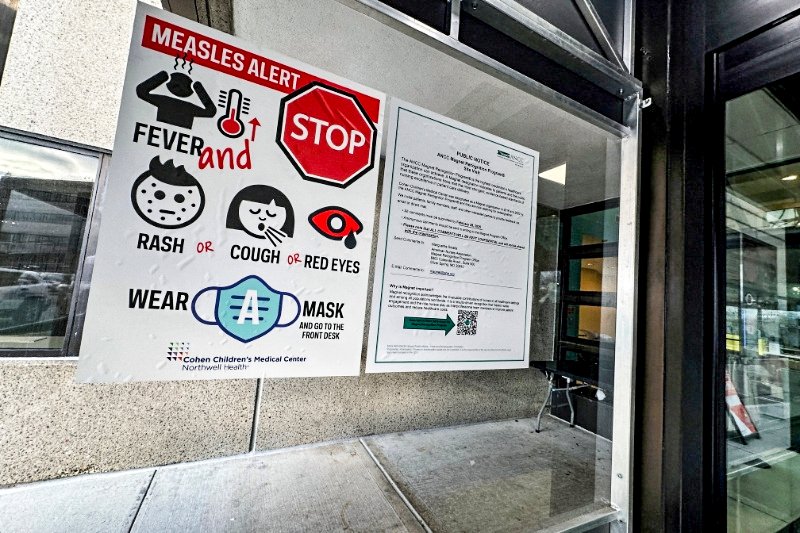
Symptoms typically appear seven to fourteen days after exposure, occasionally up to twenty‑one days, and include high fever, cough, runny nose, red eyes and Koplik spots before a rash emerges.
Vaccination Response
About 300 state employees are working with residents, community groups and healthcare providers to manage the outbreak, the department said.
Officials urge vaccination, emphasizing that the MMR shot is 97% effective after two doses and provides lifelong protection, a point the CDC reiterates.
National Context
The CDC reported 5,412 confirmed U.S. measles cases and six deaths as of November 12, 2026.
Pennsylvania counts deaths differently, including any fatality within thirty days of symptom onset with laboratory confirmation, whereas the CDC requires measles as the underlying cause on the death certificate.
The department confirmed a sixth death on November 4, an unvaccinated Jefferson County resident, and listed three September fatalities: an 18‑year‑old from Mifflin County who died of acute disseminated encephalomyelitis, a 40‑year‑old woman from Jefferson County, and a Lancaster County resident. Two infants from Lancaster County died in late August.
Kindergarten MMR coverage fell to 92.4% in the 2025‑2026 school year, below the 95% target, according to the CDC.

