
The Supreme Court’s February decision to scrap President Trump’s emergency tariffs unleashed a wave of billions in refunds for importers. The ruling opened the door for importers to reclaim duties previously paid under the IEEPA.
U.S. Customs and Border Protection began returning an estimated $166 billion in duties this spring, targeting only the firms that originally paid the 1977 International Emergency Economic Powers Act (IEEPA) tariffs. Only the direct payers of the tariffs, known as importers of record, are eligible for the refunds.
An Atlanta Fed analysis in July, citing Tax Foundation data, said the refunds equal roughly 63 percent of 2025 customs‑duty receipts. That figure underscores the scale of the financial impact on the federal treasury.
Major retailers and tech giants—from Walmart to Apple—have started claiming the refunds, using the cash to lower prices, boost earnings, or reward employees. Their actions signal a shift in how the tariff burden is being managed across the economy.
Major Firms Report Refunds
FedEx disclosed $3.3 billion in claim submissions and received about $800 million in cash as of May 31, recognizing the benefit when cash arrived or recovery was probable. The company recorded the amounts in its Securities and Exchange Commission filing.
UPS reported roughly $200 million in approved refunds and an additional $300 million recorded as receivable, reflecting its role as a customs broker for customers. Both figures highlight the significant cash flow relief for the logistics giant.
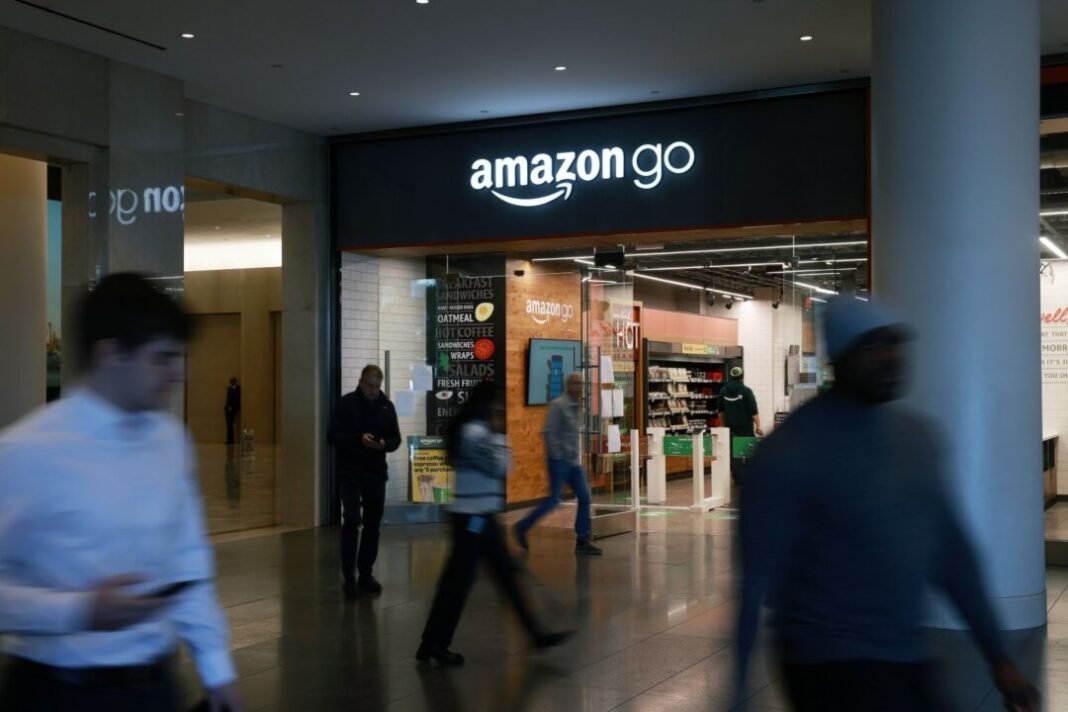
Amazon recovered $640 million in the second quarter, while Walmart collected approximately $2.9 billion, Target nearly $1 billion, and Nike $986 million, with the latter planning further claims. These disclosures illustrate the breadth of corporate participation in the refund program.
Macy’s received $116 million, Costco $184 million, and Home Depot $730 million, the latter using most of the funds to offset merchandise costs and lift margins. Other firms such as Costco noted the recovery represented a sizable share of expected totals.
Ford expects about $500 million in cash refunds in 2026 from a $1.3 billion IEEPA receivable, and General Motors recorded a $0.5 billion favorable adjustment for previously paid tariffs. Both automakers view the refunds as a boost to their financial performance.
Apple’s tariff refunds added roughly 2 percentage points to gross margin, equating to about $2.2 billion, and the company pledged to reinvest in U.S. innovation and manufacturing. The margin improvement reflects the direct financial benefit of the duty recoveries.
Consumer Effects
Harvard Business School’s Pricing Lab estimates consumers absorbed up to 43 percent of the tariff burden during the first seven months, and many firms have not cut sticker prices despite the refunds. The limited price cuts suggest the refunds are being absorbed into corporate earnings rather than passed to shoppers.
Retail prices spiked after the tariff rollout but stabilized by February, a trend attributed to the government’s rollback of certain duties, according to HBS professor Alberto Cavallo. Cavallo’s analysis, published in an April HBS Working Knowledge article, supports this view.
The Tax Foundation projects the average U.S. household will face an $820 tax increase this year from the tariffs. That estimate reflects the broader consumer impact of the policy.
Federal Reserve Bank of San Francisco research says a 10‑percentage‑point tariff rise would shave about one percentage point off headline inflation in the first year, with modest rebounds later. Economists concluded that inflation would eventually rise higher than it would have without the tariffs.
From IEEPA to Today
Trump invoked IEEPA in 2025 to impose sweeping tariffs on imports from most trading partners, but the Supreme Court ruled the statute did not authorize such levies, invalidating the measures. The decision marked a major setback for the administration’s trade and fiscal agenda.
U.S. officials said the tariffs were meant to rebalance trade and fund the federal budget with the tariff proceeds, but the refunds now reduce projected customs revenue by roughly $250 billion for fiscal year 2026. The Congressional Budget Office noted the effective tariff rate is now 10 percent, five points lower than its November 2025 estimate.
New tariffs announced this week target 14 trading partners, including China, the EU, Japan and India, and could generate up to $375 billion in revenue through fiscal 2036, according to the Committee for a Responsible Federal Budget. The projected revenue reflects the administration’s effort to replace the lost IEEPA duties with new global levies.

