
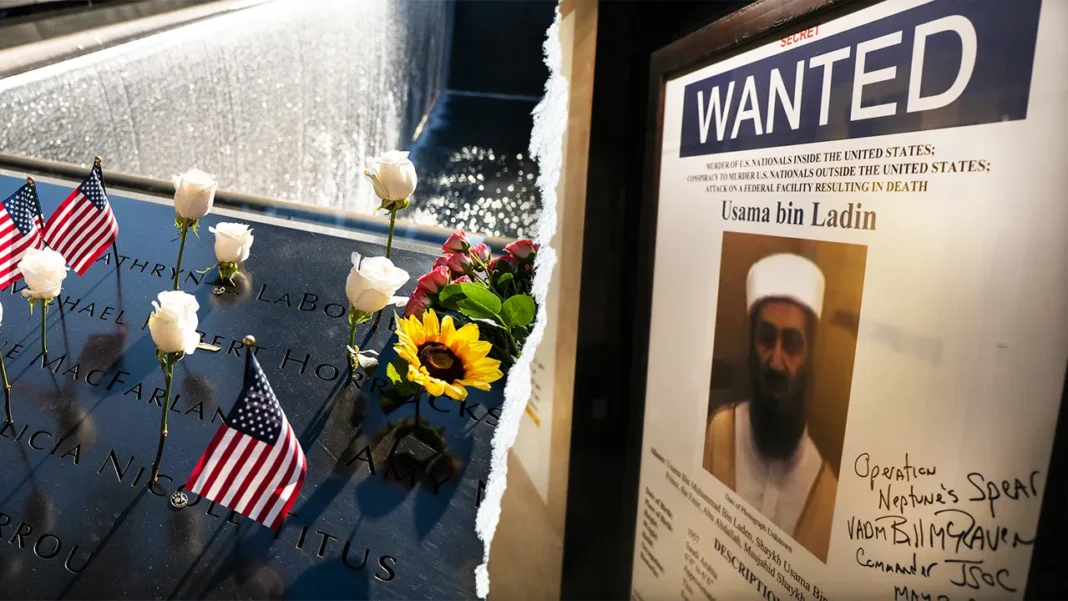
Fairfax County Public Schools in Virginia told teachers to avoid linking 9/11 with radical Islam and to create safe spaces for Muslim students as the nation marks the 25th anniversary of the attacks that killed nearly 3,000 people.
Guide Draws Fire
The six‑page “25th Anniversary and Commemoration of 9/11” guide, distributed to teachers, devotes roughly half its text to fostering inclusive environments for Muslim and Middle Eastern learners, while only 15% addresses the historical facts of the attacks.
Retired Navy Vice Admiral Lou Crenshaw, who watched a hijacked jet strike the Pentagon on September 11, 2001, called the document “vanilla” and said it shies away from the reality that al Qaeda used an extremist interpretation of Islam to justify the assault.
Crenshaw warned that omitting the ideological motive deprives students of urgency and the true evil of the event, and he urged educators to discuss the extremist ideology without blaming all Muslims.
New York Police Commissioner Jessica Tisch reinforced that distinction, declaring in a recent speech that the attackers were terrorists and the rescue workers were heroes, and she demanded moral clarity on the 25th anniversary.
District Response
Fairfax County Public Schools said its community has a “deeply personal connection” to 9/11 because of its proximity to the Pentagon and the many military‑connected families it serves, and it reaffirmed a commitment to an inclusive environment where all students feel welcome.
The district’s statement emphasized that it honors the nearly 3,000 victims, their families, survivors and first responders, and that it strives to provide a world‑class education while fostering respect for every student.
Under a “Do” and “Don’t” list, the guide instructs teachers not to associate the attacks with Islam or Muslims, not to center the extremists, and to focus the commemoration on those who died and those who sacrificed, rather than the perpetrators.
It also directs educators to intervene when they hear Islamophobic rhetoric, labeling such action as part of their “sacred role as teachers.”
Critics argue the guidance coddles post‑9/11 sensitivities instead of teaching history, while supporters claim it protects Muslim students from stigma.
Overall, the controversy reflects a broader national debate over how to teach the legacy of 9/11, balancing remembrance of the tragedy with awareness of the extremist ideology that drove the attacks.

