
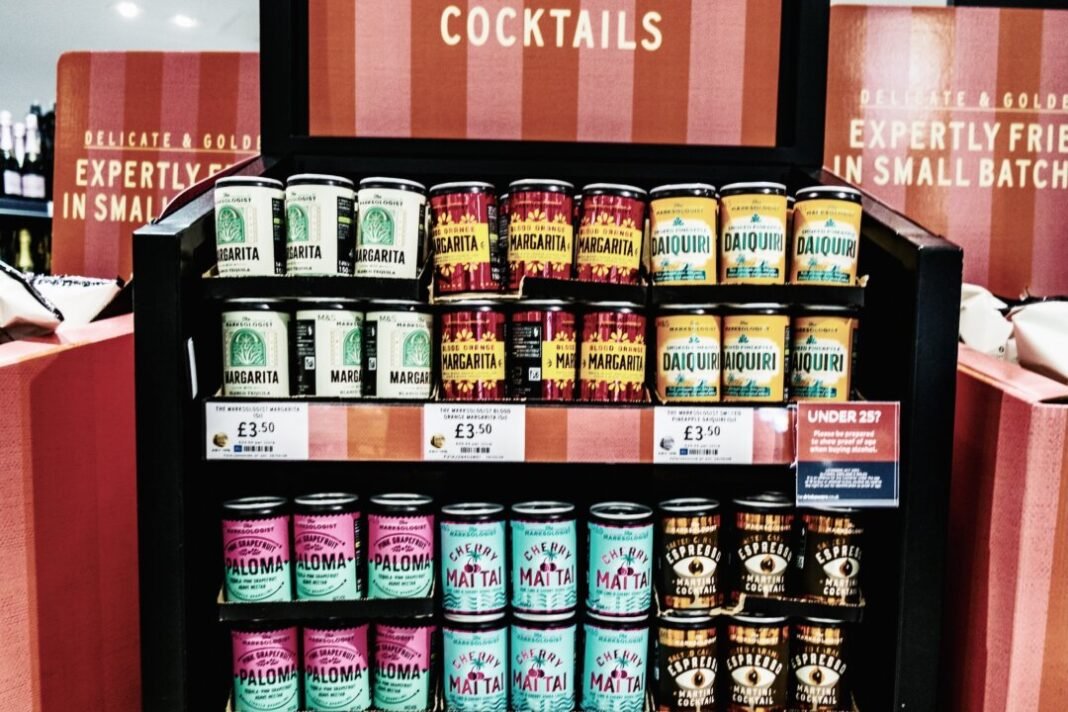
Pittsburgh’s Lucky Sign Spirits turned a pandemic gin experiment into a canned cocktail powerhouse, now selling more than a dozen spirits from a 11,700‑square‑foot West Deer facility.
Canned Cocktails Capture a Growing Market
Founders Christian Kahle and Matt Brudnok launched their first gin in 2020, expanded to whiskeys, bourbons, limoncello and raki, and added a crowdsourced funding push that funded the current production space.
After two years of research, the distillery released a key‑lime dill vodka RTD in spring 2025, followed by three more flavors that summer, making canned drinks account for roughly half of all sales.
Kahle attributes the surge to a lack of complex, premium options, noting that most cheap RTDs rely on low‑cost malt bases while Lucky Sign uses real craft liquor.
Jim Hough, co‑founder of Liberty Pole Spirits, says the market for interesting ready‑to‑drink cocktails is huge, citing the distillery’s canned old fashioned as a runaway hit that sells in large volumes.
The canned cocktail concept dates to 1892 when Heublein introduced Club Cocktails, and evolved through wine coolers, Zima and hard seltzers, with pandemic take‑away rules and a 2024 law now allowing grocery and convenience stores to sell pre‑packaged drinks up to 12.5 % ABV.
U.S. distilled‑spirits sales fell 2.2 % to $36.4 billion in 2025, but RTD cocktail sales rose 16.4 % to $3.8 billion, now representing 12.5 % of total alcohol beverage sales.
Wigle Whiskey entered the space in April with five canned craft cocktails, including a 34 % ABV Manhattan, and says the easy‑to‑serve format expands its customer base and introduces whiskey to new drinkers.
Chief operating officer Alex Moser adds that innovation is core to the company, so they spent a year developing bottles and twice as long perfecting lower‑alcohol canned versions, refusing to rush products to market.
Kahle warns that many canned cocktails use cheap ingredients, forcing him to assure customers that Lucky Sign’s products are premium, and notes the 5 % ABV keeps the drinks sessionable rather than intoxicating.
With two alcohol‑free cocktails in development and a clear consumer demand for complex, ready‑to‑drink options, Lucky Sign says the “sky is the limit” as it bridges the gap between declining spirits sales and booming RTD demand.

