
Berry’s Death Highlights Health‑Freedom Imperative
Wendell Berry, the 92‑year‑old Kentucky farmer‑writer, died Aug. 31 at his Port Royal farm, ending a life devoted to horse‑drawn agriculture, pencil‑written prose, and a steadfast refusal to own a computer.
For more than half a century he argued that health springs from the same root as wholeness, insisting that a person’s well‑being cannot be separated from the health of the land that sustains him.
“I believe that the community—in the fullest sense: a place and all its creatures—is the smallest unit of health,” Berry wrote, a statement that now hangs over every debate on medical liberty.
Health‑freedom advocates have successfully defended informed consent and resisted coercive public‑health measures, but Berry warned that these victories are insufficient without a deeper connection to place, soil, water, and local food systems.
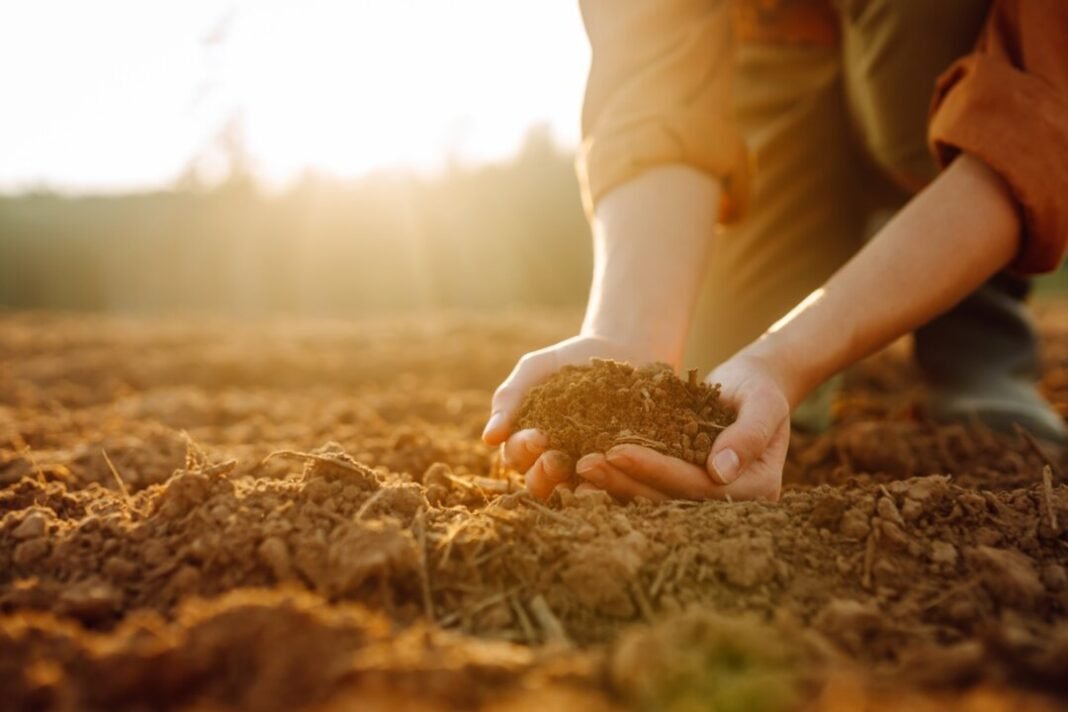
He warned that a body remains unwell if the soil that grows its food is dead, if water is polluted, if neighborhoods are fragmented, or if the food chain is a distant, chemicalized abstraction.
Berry’s essay “The Body and the Earth” stresses that human bodies are “moving particles of the earth,” inextricably linked to the land and to other living beings, making piecemeal, specialist‑driven health care absurd.
He argued that healing is impossible in loneliness; it requires conviviality, local knowledge, and love of a specific place, not abstract policies or isolated medical procedures.
Berry’s own life exemplified this principle: after studying at Stanford and teaching in New York, he returned to Henry County, farmed it, wrote about it, and rejected career mobility that treats every locality as interchangeable.
Institutions already practiced by the health‑freedom community—home gardens, CSAs, raw‑milk producers, human‑scale farms, and neighborhood mutual aid—embody his vision of membership to a concrete community, not merely a lifestyle choice.
In an interview with the now‑defunct French magazine Limite, Berry advised young people to “stop somewhere,” establishing a permanent, practical tie to a place and its neighbors before attempting to solve larger world problems.
He concluded that lasting health freedom must be rooted in love and work for a specific piece of earth, keeping its soil and people in conversation, lest freedom become a placeless luxury while the land and community quietly decay.

