
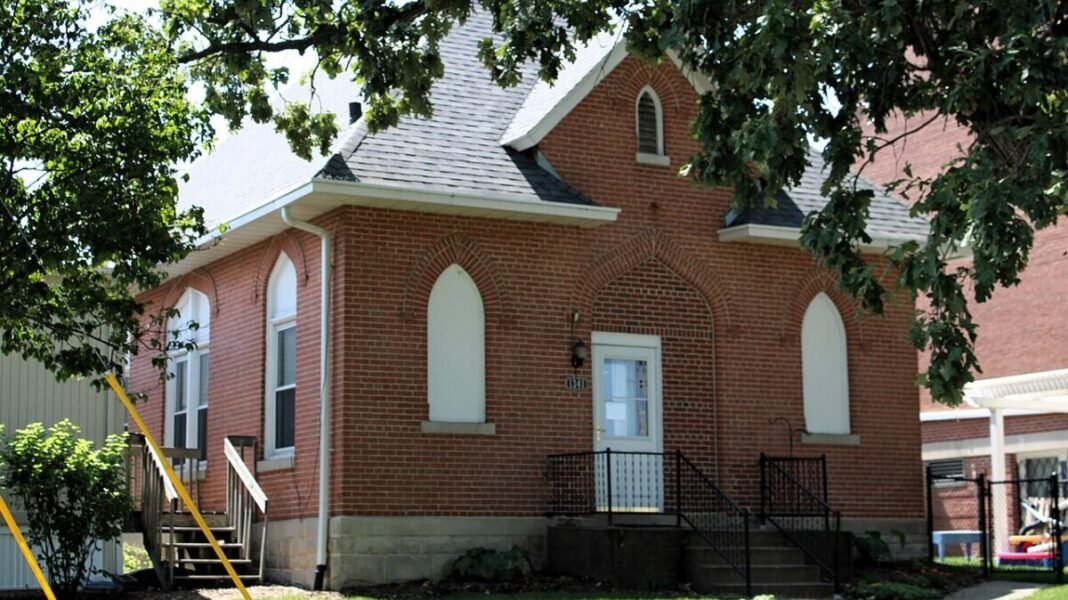
The U.S. Supreme Court will hear oral arguments on Election Day in St. Mary Catholic Parish v. Roy, a case that tests Colorado’s attempt to bar religious preschools from its universal pre‑K program.
The Tenth Circuit’s Sleight of Hand
The federal trial court ruled for Colorado, saying the state did not exclude religious schools, only applied a neutral rule. That distinction is meaningless; the Supreme Court has barred states from withholding public funds because a school is religious or uses them religiously in Trinity Lutheran, Espinoza, and Carson.
The Tenth Circuit called the mandate “neutral and generally applicable” under Employment Division v. Smith, but the Supreme Court’s recent decisions show that a law that burdens religion while favoring secular interests is not neutral.
The Rules Are Not So Neutral
Grace for some, not for others. Colorado granted 17 individualized exemptions, such as for vaccinated children or residents of a specific subdivision. Under Fulton v. City of Philadelphia, a mechanism that allows selective exemptions means the policy is not “generally applicable,” so the state cannot claim neutrality.
Secular preferences get a pass. The program favors special‑education and Head Start students, criteria tied to disability and income. Tandon v. Newsom held that any law that treats secular activity more favorably than comparable religious activity triggers strict scrutiny, and Colorado’s selective exemptions violate that principle.
The state’s condescending rhetoric tips its hand. In litigation Colorado labeled the Archdiocese’s beliefs as stigmatizing, likening them to 1970s segregation academies. Masterpiece Cakeshop v. Colorado Civil Rights Commission struck down similar hostility, confirming that officials cannot express animus toward sincere religious views.
Mahmoud and the Rights of Parents
The Supreme Court in Mahmoud v. Taylor ruled that a Maryland school board violated parents’ free‑exercise rights by denying opt‑outs from LGBTQ‑inclusive storybooks, invoking Wisconsin v. Yoder. The recent Mirabelli v. Bonta decision reaffirmed that parents, not the state, direct their children’s religious upbringing.
St. Mary Fits Within SCOTUS’ Broader Trend of Restoring Religious Freedoms
The case gives the Court a chance to continue its recent course correction. In Kennedy v. Bremerton School District, the justices abandoned the Lemon test and recognized that fear of establishment clause violations had suppressed religious exercise. Lower courts are now applying this shift, as seen in the Fifth Circuit’s upholding of Texas’s Ten Commandments law in Nathan v. Alamo Heights Independent School District and the Eighth Circuit’s review of Arkansas’s appeal in Stinson v. Fayetteville School District No. 1.
What Comes Next
The stakes extend beyond Colorado. If the Tenth Circuit’s reasoning prevails, any state could open a program to religious schools while imposing conditions they cannot meet, effectively nullifying Carson. A door that requires faith to be compromised is no door at all; St. Mary presents the Court with a decisive moment.
Kevin Kreutz, a partner at Holtzman Vogel in Nashville, focuses on healthcare, financial services, and constitutional litigation and previously served as deputy attorney general for Tennessee. The views expressed are his own.

