
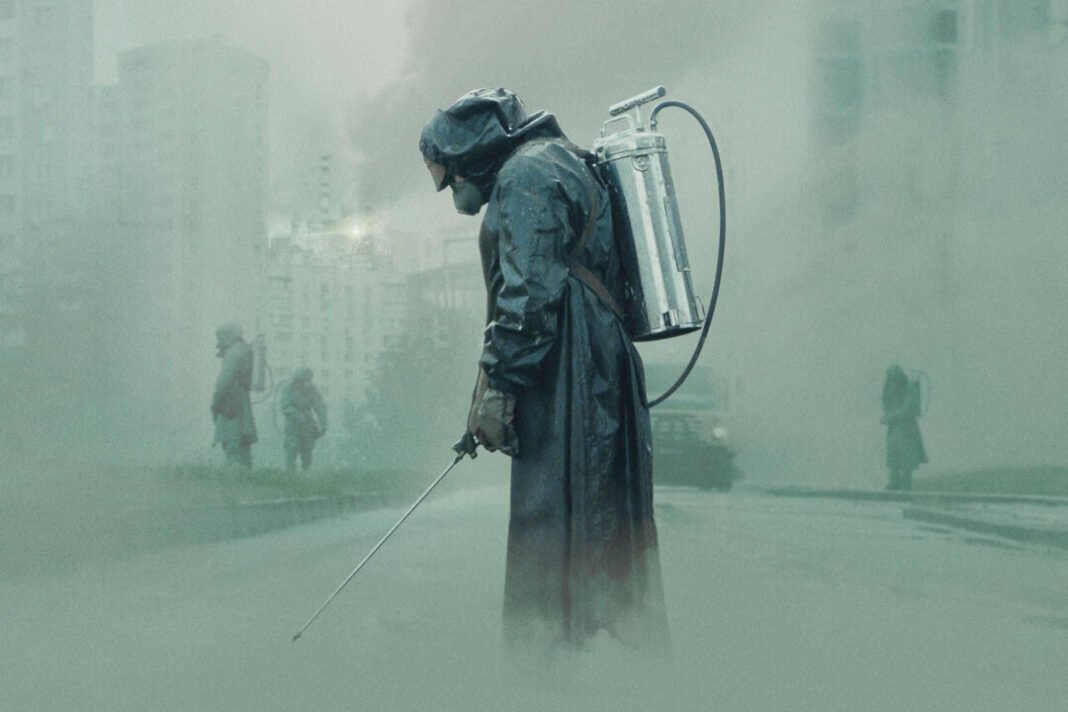
Chernobyl Series Reveals How Disaster Fueled Soviet Collapse
HBO’s 2019 “Chernobyl” miniseries dramatizes the 1986 nuclear meltdown and its aftermath, a story that reshaped public perception of Soviet governance.
Mikhail Gorbachev, in his autobiography, notes that the disaster exposed the regime’s incompetence and dishonesty, accelerating the erosion of trust that led to the Soviet Union’s dissolution within five years.
Historians cite the disaster as a turning point: officials concealed radiation data, sent workers into the reactor without protection, and prioritized reputation over safety, resulting in thousands of deaths that remain uncertain.
“The truth was hidden until it was too late,” says the series, reflecting broader patterns of state secrecy.
Parallels in Today’s Public Health Debates
Critics argue that the same dynamics appear in contemporary vaccine policies, pointing to VAERS and v‑safe reports that document tens of thousands of injury claims linked to mRNA COVID‑19 vaccines.
OpenVAERS.com records ongoing submissions for a new flu vaccine based on lipid nanoparticle technology, with injury reports rising within two months of distribution.
Industry influence and agency dependence on funding obscure full transparency, according to analysts who note powerful pharmaceutical lobbies and limited congressional oversight.
Calls for Transparency
The series’ climactic scene, where a mother laments her child’s radiation death and urges “We have to start telling the truth,” mirrors current demands for honesty in both nuclear safety and vaccine administration.
Analysts warn that unchecked technological systems—whether nuclear reactors or artificial intelligence—could produce catastrophic failures if managed by incompetent or opaque institutions.
“If the public no longer believes its leaders, the system collapses,” says political historian Elena Petrova, echoing Gorbachev’s assessment.
Conclusion
Chernobyl’s legacy demonstrates that loss of public trust, not external invasion, precipitated the Soviet Union’s fall, a lesson that resonates in today’s health policy controversies.
Whether modern societies will heed the call to reveal hidden risks remains uncertain, but the episode underscores the urgent need for accountability.

