
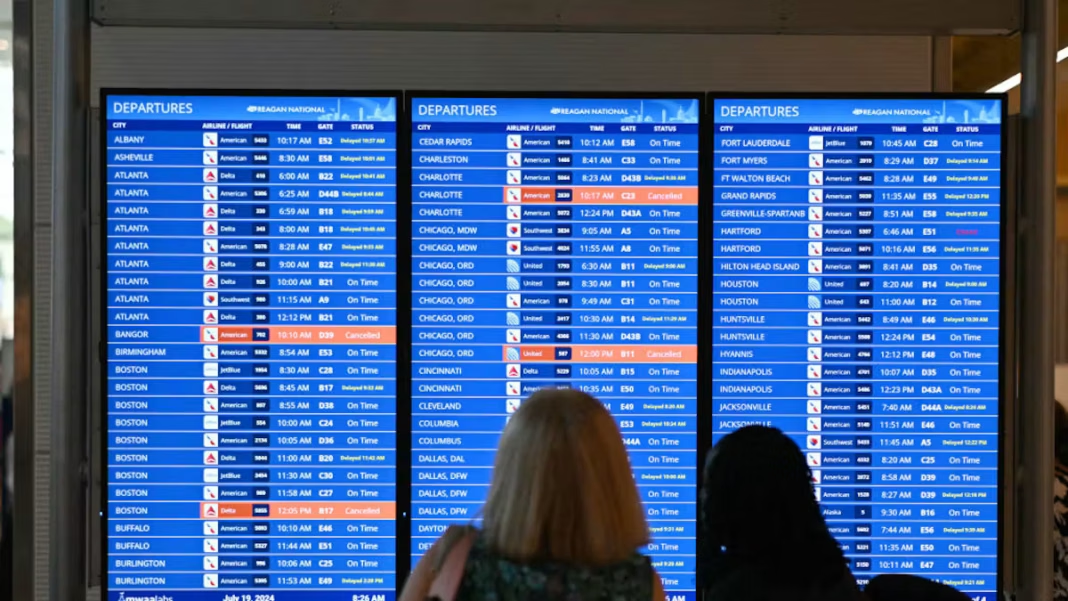
Technology outages this Thanksgiving expose a hidden fragility in America’s digital infrastructure.
Tech Outages Reveal Systemic Weakness
Industry leaders quickly ruled out cyberattacks after a single Microsoft glitch cascaded through the Federal Aviation Administration’s air‑traffic communications, major banks, the NSA’s internal network and Apple services, halting critical operations for a week. The incident underscored how quickly a localized failure can paralyze essential services.
The November outages prove that digital convenience does not equal resilience; true freedom demands occasional friction. Consumers experienced immediate disruptions that highlighted the fragility of interconnected systems.
Surveys show that 90% of U.S. adults use the Internet daily, treating technology as an extension of personal will while the invisible infrastructure that powers messaging, ride‑hailing, meetings and record searches remains unseen. Most people integrate these tools without considering the underlying dependencies.
When routers fail, thousands of passengers are stranded, hotel guests locked out and panic‑buying erupts, revealing how much autonomy citizens have ceded to opaque systems. The cascading effects demonstrate the systemic vulnerability of modern life.
From the nation’s founding, self‑reliance has required both cultivated knowledge and practical application; John Adams wrote in 1777 that “a taste for literature and a turn for business… make a great man.” His observation remains relevant as today’s digital ecosystems demand similar competence.
Polls indicate 69% of workers believe in their digital skills, yet half the population cannot grasp AI fundamentals, creating a dangerous knowledge gap that fuels distrust as AI advances. This gap may explain waning confidence in personal talent and creative standing.
Experts urge Americans to adopt real‑world redundancy—backups, fallbacks and alternative resources—to preserve capacity to act when electronic systems falter, embodying mature technological citizenship. Practical preparedness can mitigate the impact of future outages.
Analysts note that impulsive reactions such as flooding Costco or mass selling of tech stocks reflect fear, but sober information‑seeking enables proportionate responses that reinforce community responsibility. A measured approach strengthens societal resilience.
Commentators argue that sustainable modernity depends on innovation paired with contingency; the next outage need not destabilize society if citizens remain prepared. Embracing both progress and safeguards ensures long‑term stability.
Alex Rosado is an independent writer and a Young Voices senior contributor. The views expressed are solely those of the author.

