
More seniors than ever are clocking in, turning retirement into a working phase rather than a leisure break.
As of October, 11.86 million Americans aged 65 and older were employed, the highest level ever recorded by the Bureau of Labor Statistics.
Older workers stay on the job mainly because they need the money, while a smaller slice does so to stay active.
Social Security Gaps
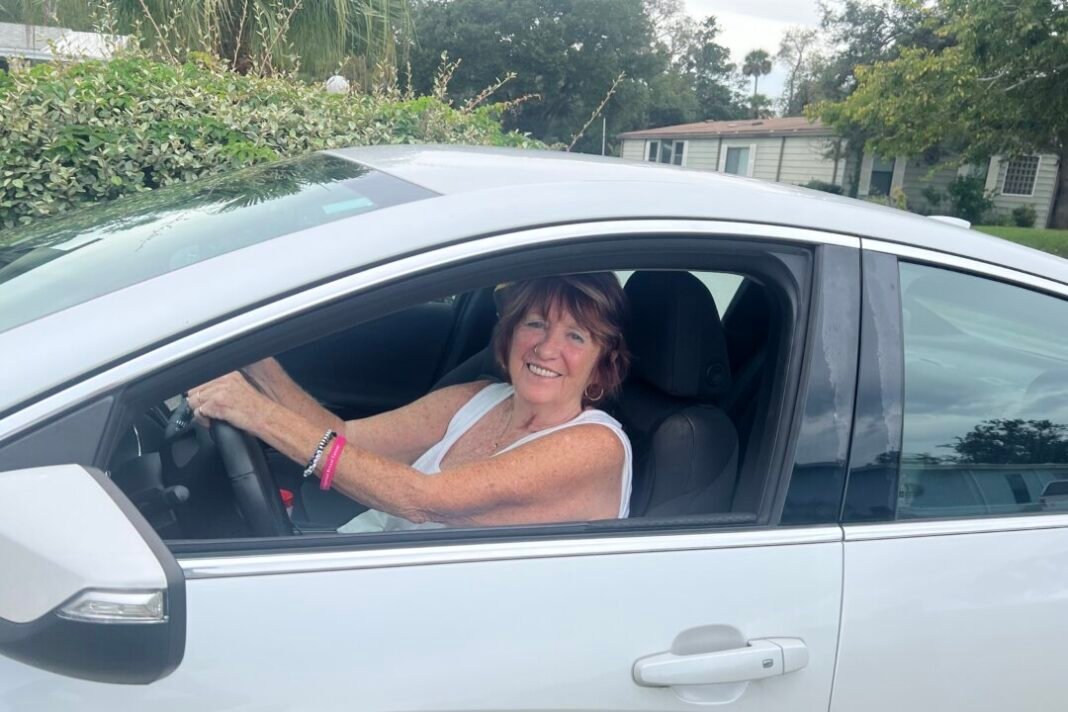
Gail Roake, 73, retired a year ago and now works part‑time in Ormond Beach, Florida, to supplement her Social Security.
She moved from New York after a long career as a hospital administrator and lives with her sister to cut costs.
Roake said she returned to work because “Social Security only goes so far, and not working wasn’t an option,” a sentiment echoed by labor economist Wafa Hakim Orman of the University of Alabama.
Orman noted that rising expenses—healthcare, emergencies, and inflation‑driven budgets—force many retirees to seek supplemental income.
She added that only about 4 percent of Americans save the recommended 10 percent of yearly earnings, leaving most with insufficient retirement reserves.
Sixty‑eight percent of those who delayed retirement cited rising costs, up from 58 percent a year earlier, according to an AARP report.
A Sense of Purpose
Gary Weber, 68, an electrician from Drexel Hill, Pennsylvania, continues part‑time work two days a week after his 2024 full‑time retirement.
He said the extra pay lets him plan vacations and buy plants for his garden, while the work gives him purpose and camaraderie.
Mary Meyer, 67, retired a decade ago after 35 years as a nurse administrator and now splits her time between Cape Cod and Sanibel Island.
She works part‑time as a sales associate at a Lilly Pulitzer boutique during summer months and volunteers on several nonprofit boards in winter.
Meyer said the low‑stress job lets her feel fulfilled, adding that “it’s so important to feel fulfilled in retirement.”
A Trend
Roake now drives for DoorDash, choosing shifts that fit her schedule and earning a few hundred dollars weekly.
She said the flexibility keeps her active and healthier than a static office routine.
Jan Hunter, owner of a career‑coaching firm in South Carolina and author of “Starting from Experience,” works with seniors seeking new paths.
Hunter reported that 70 percent of her clients avoid returning to stressful former roles, opting instead for gig work such as DoorDash, Uber, or pet sitting.
She argues that employers overlook seniors at their own risk, missing out on the intellectual capital older workers bring.
An October 2025 AARP analysis shows health services, professional business services, and wholesale‑retail trade as the top industries hiring workers aged 50 and older.

