
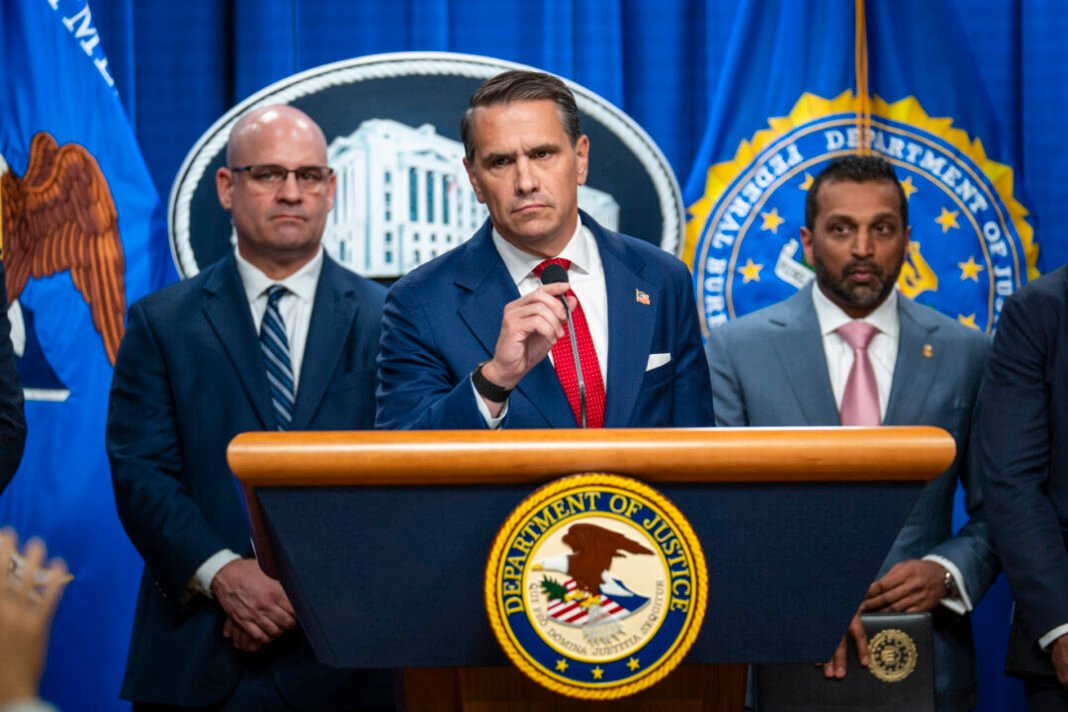
U.S. Attorney General Todd Blanche ordered the Department of Justice to double its resources against a flood of habeas petitions.
DOJ Ramps Up Defense Against Habeas Petitions
Blanche directed civil litigating divisions and the U.S. Trustee Program to assist U.S. Attorney offices overwhelmed by more than 97,000 immigration detention challenges since President Donald Trump took office in January 2025.
The memo, posted on X on November 24, said the department must devote additional attorneys to contest the filings, even though many are jurisdictionally barred.
“Thousands of petitions have been filed since @POTUS took office, which fall hardest on U.S. Attorney’s offices. So, we are surging main justice resources to help them fight these because criminals should not be given a free pass for being in our country illegally,” Blanche said.
He assigned the Antitrust, Civil Rights, Civil, and Environment and Natural Resources divisions, plus the U.S. Trustee Program, to lead the effort, noting these units employ roughly 2,000 litigators.
Each component will name a point of contact within weeks and will receive training on habeas litigation tactics specific to the Trump administration.
Blanche also ordered the Attorney General’s Advisory Committee, the Executive Office for U.S. Attorneys, the Civil Division, and the offices of the Solicitor General, Associate Attorney General and Deputy Attorney General to submit an aggressive appellate strategy within 30 days.
He cited a 2004 Comey memo that tasked litigators with about 2,200 immigration appeal briefs over four months, asserting the DOJ remains the world’s largest law firm and can meet the current challenge.
He added that the administration has removed more than 1.2 million unlawful residents and that DHS continues to detain nearly 2,800 noncitizens daily for deportation.
Blanche emphasized that immigration enforcement is a national security priority, as stated by President Trump, and pledged that the DOJ is prepared to defend the administration’s agenda despite thousands of lawyers filing habeas petitions to delay removal.
He requested cooperation from all affected components and asked that case reassignments be managed to avoid overburdening individual attorneys, limiting disruption to existing dockets.

