
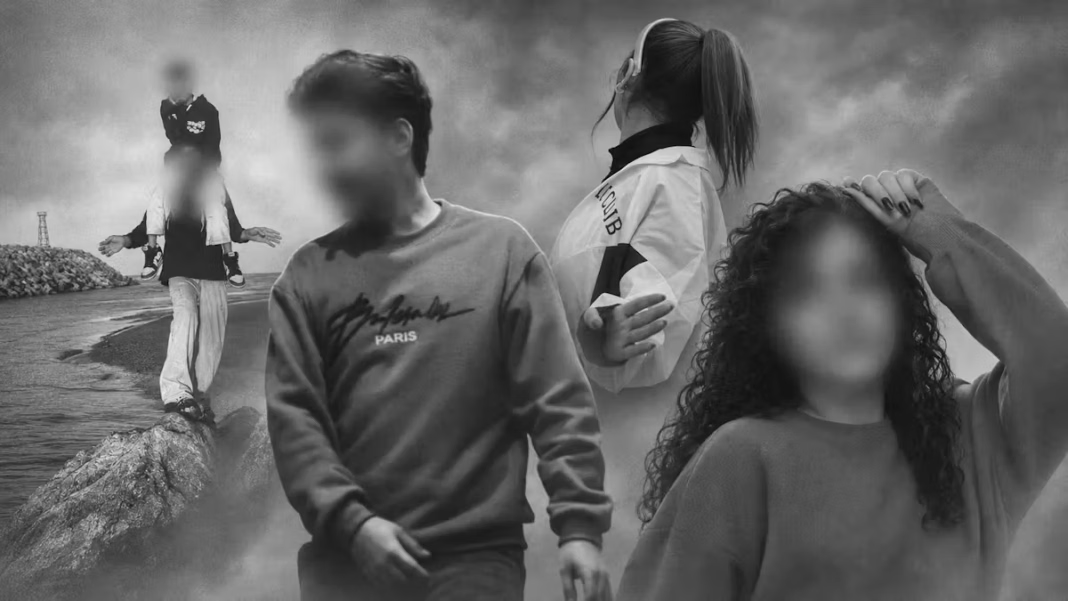
Iranians Pre‑Record Dance Videos as a Defiant Counter to State Violence
Young Iranians are posting short clips of themselves dancing under the caption “In case you need it,” a pre‑emptive warning that the footage can be shared if security forces kill them in an upcoming crackdown. The videos spread rapidly across social platforms as a warning to the regime.
The videos, which feature the traditional Khorasan wedding song “Shah Damad,” are being uploaded ahead of the first anniversary of the January 2026 bloodbath, according to Iran International. The clips capture moments of joy that the state fears will outlive its victims.
Human rights groups estimate that more than 7,000 people were killed during the January 2026 protests. Some sources cite figures above 36,500, while the government officially acknowledges 3,117 deaths, including several of its own militiamen.
Families have turned funerals into acts of rebellion, dancing at graves to wedding music to undermine the regime’s martyrdom narrative. The dancing at graves directly challenges the regime’s narrative of martyrdom.
One of the earliest viral clips emerged from the burial of Reza Asadi, where mourners danced to the tune, a move described by an Iranian as “the last line of resistance.” The clip sparked widespread discussion about the limits of resistance under lethal repression.
In mid‑November, Iran International documented relatives dancing beside the grave of 21‑year‑old Alireza Raeisi, executed in October for his involvement in the Isfahan protests. The footage highlighted the continued repression faced by families of those executed.
Women have faced imprisonment for public dancing since the 1979 revolution; in 2023, Astiyazh Haghighi and Amir Mohammad Ahmadi received sentences of more than ten years for dancing in Tehran’s Azadi Square. The harsh sentences underscored the regime’s zero‑tolerance stance on public expression.
Social‑media users express horror at the practice, noting that “kids are forced to constantly think about death & despair,” while the theocracy appears terrified of its own populace, turning every joyful gesture into a potential death sentence. The outcry reflects global concern over the systematic suppression of everyday freedoms in Iran.

