
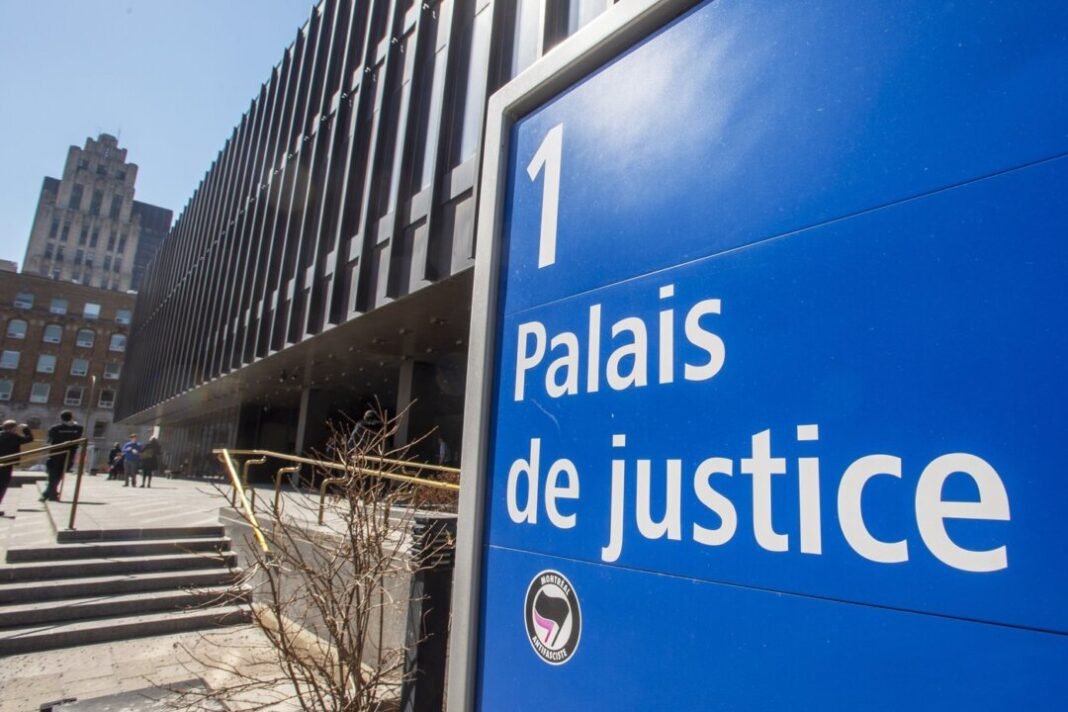
Quebec Court Orders Tourism Minister to Pay $60,637 Over Christian Conference Cancellation
Quebec Superior Court has ordered Tourism Minister Caroline Proulx to pay $60,637 in damages to Harvest Ministries International after she cancelled the group’s contract to use the Centre des congrès de Québec for its “Faith, Freedom, Fire” conference.
The court found that Proulx abused her authority by cancelling the agreement three weeks before the event, citing ideological disagreement rather than legitimate administrative grounds.
Harvest Ministries had secured the venue in February for a June 22‑July 2 gathering expected to draw more than 1,200 attendees each day, with travel plans and tickets already in place.
Proulx argued the conference conflicted with Quebec’s “fundamental values,” claiming the government supported both freedom of expression and freedom of choice, and suggested the group could find a private venue instead.
The judge ruled that the minister’s decision violated the Charter’s protection of freedom of expression and amounted to an unlawful use of public property to silence a specific viewpoint.
This ruling mirrors the Supreme Court’s affirmation of state neutrality in Mouvement laïque québécois v. Saguenay, which holds that the state must not favour or oppose particular beliefs in public life.
In a related development, organizers of evangelical speaker Sean Feucht’s 2025 Canadian tour have sued the City of Moncton for cancelling a public worship event two days before its scheduled July date, after local residents threatened protests.
The Moncton cancellation, which followed months of planning by municipal staff, exemplifies a “heckler’s veto,” where vocal opposition silences speech that the government deems inconvenient.
Evelyn Beatrice Hall’s principle—“I disapprove of what you say, but I will defend to the death your right to say it”—underscores the legal requirement that public spaces remain open to all viewpoints.
John Carpay, President of the Justice Centre for Constitutional Freedoms, said the Quebec decision reaffirms that governments cannot wield power to suppress dissenting opinions.

