
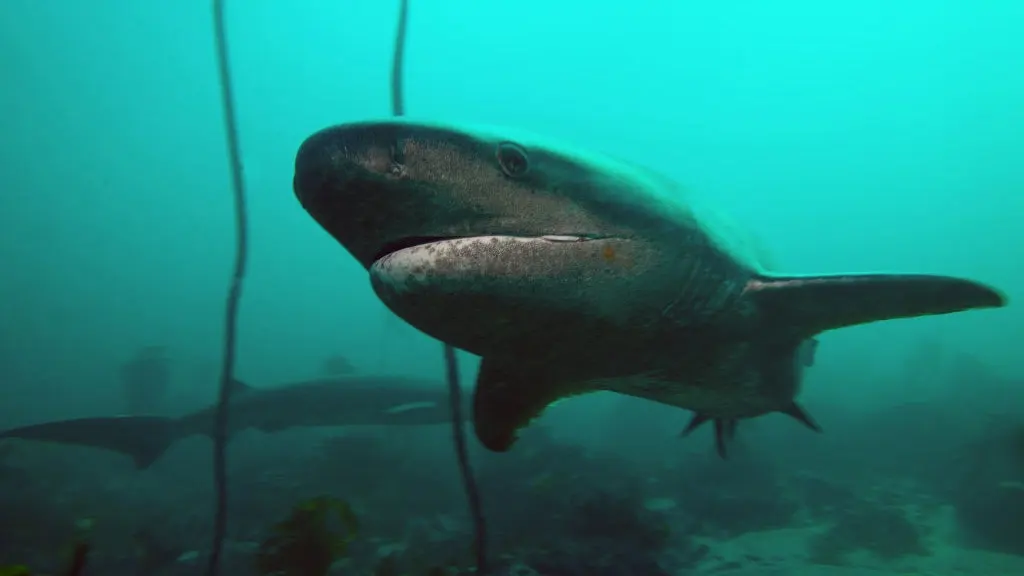
A massive deep‑water shark breached a submersible’s glass, pressing its snout against the window in a stare‑down that went viral.
The footage, captured in June 2019 at 1,700 feet beneath the Atlantic near the Bahamas, shows the shark circling the vessel before nudging the viewing pane.
Researchers estimate the inquisitive female measured 16‑17 feet, while the species can reach up to 20 feet in length.
Scientists got more than they bargained for during deep‑sea shark expedition
OceanX and marine scientists launched a historic mission from the research vessel Alucia, aiming to tag a bluntnose sixgill shark without hauling it to the surface.
The three‑person submersible Nadir descended into the darkness with 100 pounds of bait, overcoming bad weather, equipment glitches and a mischievous grouper before finally securing a tag on June 29.
Florida Museum of Natural History scientist Gavin Naylor attached a satellite tag to a male sixgill shark at depth, marking the first successful deep‑water tagging of its kind.
Naylor said the shark “was studying us,” noting the animal’s curiosity and rejecting the notion that humans alone evaluate the encounter.
Prehistoric giants are just casually lurking in the deep
Bluntnose sixgill sharks dominate the deep‑sea food chain, rarely seen by the public because they dwell hundreds to thousands of feet below the surface, with some records near 6,500 feet.
These living fossils resemble sharks that swam the oceans 200 million years ago, and they primarily hunt fish, squid and carrion, posing little threat to humans.
Continued exploration of the abyss may reveal more of these ancient predators, underscoring how much remains unknown about ocean depths.
Amber Harding writes for OutKick.

