
Former Kansas Republican Sen. Sam Brownback blames Donald Trump’s personal leadership for the GOP’s devastating midterm losses, warning the party must change before 2028. He argues voters rejected Trump himself, not his policy agenda, as Democrats reclaimed control of Congress.
Brownback Blames Trump, Not Policies
In an interview with Fox News Digital, Brownback said the midterm defeats were aimed squarely at President Trump rather than his policy platform. He cited the 2026 elections, where Democrats won in traditionally red strongholds, as evidence that voters were rejecting Trump personally.
Economic Concerns Fueled Defeat
Brownback noted that inflation, rising gas prices, and broader cost‑of‑living pressures contributed to the Republican losses. A Fox News Voter Poll showed 89 % of respondents viewed the cost of living as a crucial factor, far outweighing the 74 % who prioritized the war in Iran.
Calls for Humility and Kindness
The former governor urged Republicans to adopt humility and kindness in their messaging. He warned that pride and haughtiness would lead to further stumbles, adding that voters still appreciate strong border security but view interior immigration enforcement as overly aggressive.
2028 Republican Prospects
Brownback called for a measured response to voter concerns ahead of the 2028 cycle, saying the party must adjust its message. Meanwhile, Vice President JD Vance and Secretary of State Marco Rubio have emerged as potential 2028 contenders, with Vance indicating a decision on a presidential bid may come in the spring.
Ashley J. DiMella, a politics reporter for Fox News Digital, covered the story. She has been covering Republican primary developments for the outlet.
The party faces a critical juncture as it prepares for the 2028 election. Strategists warn that without a shift in tone, the GOP risks further erosion of voter trust.
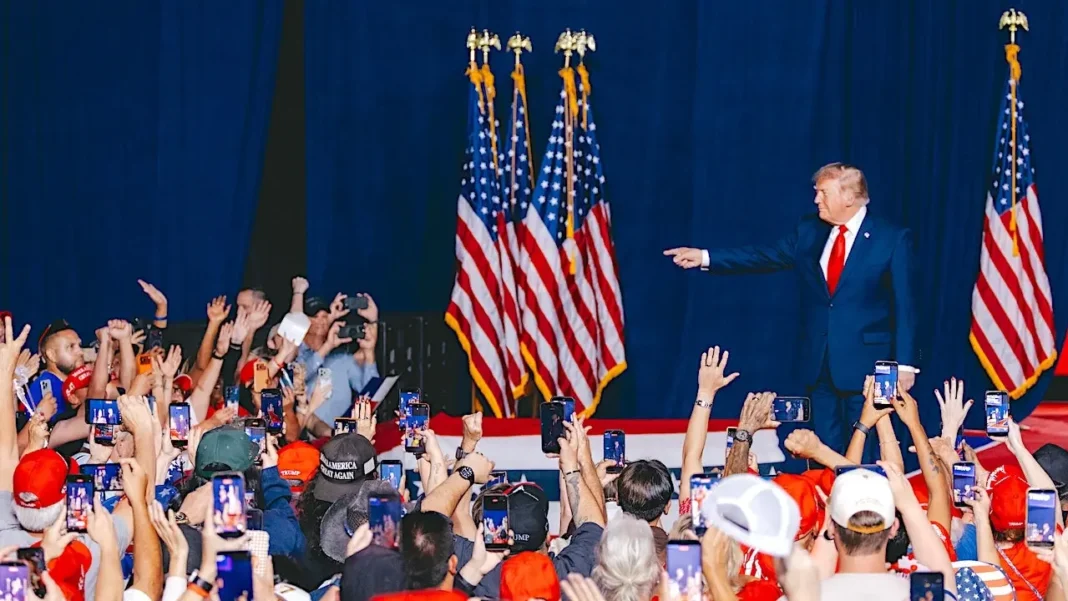
Trump defended his immigration policies during a recent Texas rally, insisting his administration secured the border while criticizing interior enforcement tactics. He argued that strong border measures are essential to national security.

