
Oil markets are poised for a sharp price drop as geopolitical risk fades, threatening a new wave of investment hesitation.
Supply Recovery Amid Falling Risk Premium
An oil company executive warned a month ago that oversupply worries outweigh geopolitical risk, a view shaped by the 2008‑09 crash that halved West Texas Intermediate prices by November.
The International Energy Agency revised demand estimates only slightly in its November report while upgrading its 2027 outlook, noting that a rapid removal of the geopolitical premium could accelerate price declines.
Crude availability is rising fast: the IEA recorded a 5.3 million‑barrel‑per‑day increase in global supply between August and October, and OPEC+ added roughly 2 million barrels per day in October alone.
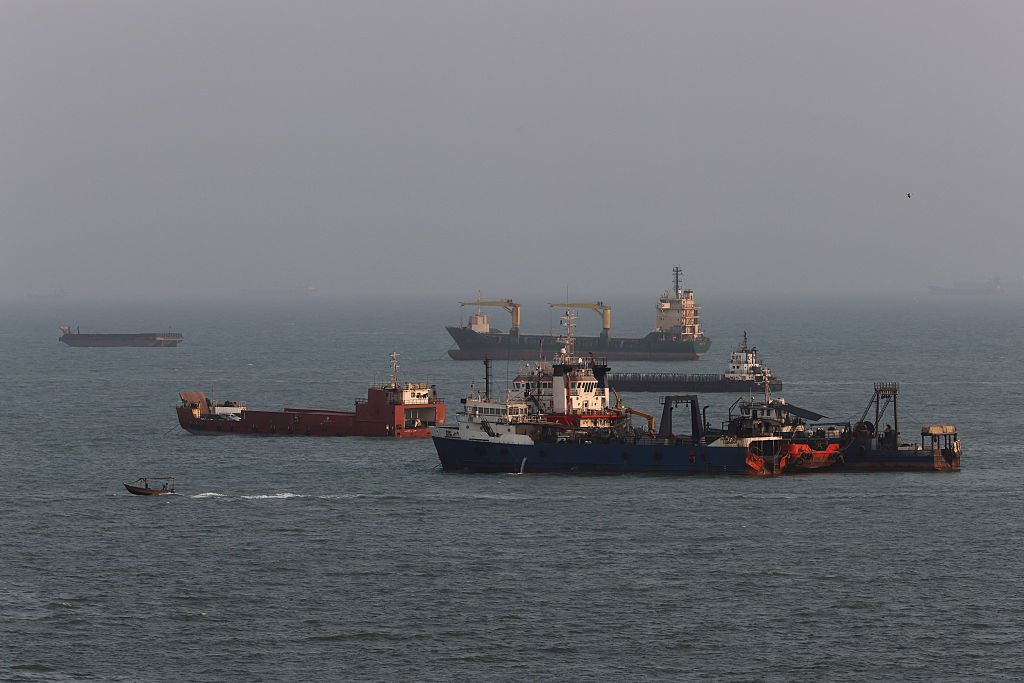
Delivering those barrels remains costly; the Pentagon estimates the broader Iran campaign has cost $47.1 billion, underscoring the heavy security outlays tied to Gulf shipments.
High freight rates and security expenses keep Asian refining margins squeezed, even as crude surpluses grow, according to recent market data.
European diesel prices sit near $180 per barrel, 77 percent above pre‑war levels, while North Sea Dated crude trades around $93, illustrating divergent product costs.
Analysts warn that investors may mistake expensive security for lasting scarcity, a misstep that could pressure the forward curve and unsettle producers.
J.P. Morgan estimates chronic underinvestment at $500 billion, limiting capital spending and suggesting a subdued expansion despite the supply rebound.
The IEA projects a 2026 demand decline of 2.7 million barrels per day, creating a 2027 surplus of 3.8 million barrels per day as supply reaches 108.1 million barrels against demand of about 104.3 million.
U.S. consumers could see rapid gasoline and diesel price drops, while Asian and European markets may endure elevated fuel costs for at least two years.
Analysts expect a price level near $70 per barrel for WTI, lower than the $80 threshold, as geopolitical risk recedes and supply normalizes.
Major oil firms remain cautious, delaying capital expenditure plans until the market stabilizes, a pattern reminiscent of the 2008‑09 downturn followed by a swift rebound.

