
Canada is betting on Chinese electric vehicle manufacturers to revive its auto sector.
Chinese EV push
Prime Minister Mark Carney announced Ottawa will ease import rules for Chinese EVs and explore local assembly by Chinese firms.
A recent poll indicates a majority of Canadians support the move, signaling public appetite for cheaper, greener rides.
Ontario Premier Doug Ford warned that Chinese EVs could become “spy cars,” raising security concerns.
Dairy plant case study
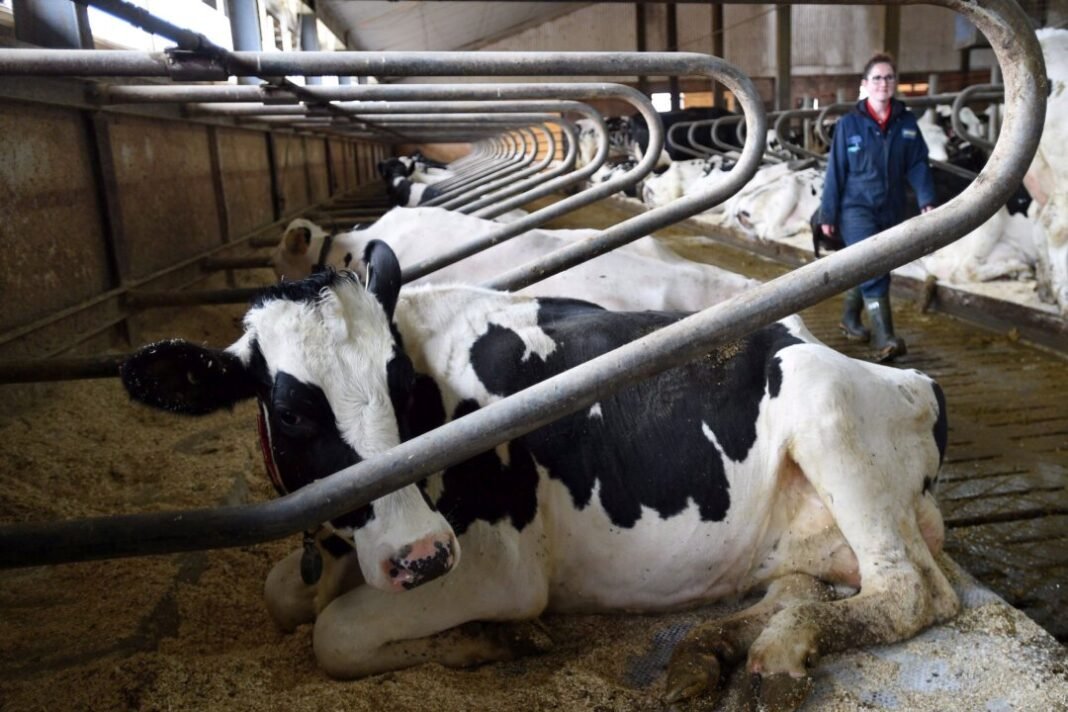
In Kingston, Ontario, China Feihe built a $300 million dairy plant, Canada Royal Milk, with nearly $50 million in combined public subsidies.
Ontario contributed $24 million, while Ottawa’s share remains undisclosed.
The facility creates up to 277 jobs, processes Ontario and Quebec milk into powder, goat products and infant formula, and now sells formula domestically after previously relying on imports.
Documents show the plant aimed to export 85 percent of output to China, but recent sales indicate a shift toward the Canadian market, providing a outlet for surplus skim milk.
Food security debate
Critics question the value of taxpayer money when a plant designed for overseas sales coexists with record food bank visits exceeding 2.3 million in a month.
Supply management limits production and imports, a system defended as protecting food security, yet the dairy plant’s export focus challenges that claim.
Canadians deserve a clear accounting of how much of the plant’s output stays domestic and what commitments Ottawa secured for its investment.
The same scrutiny should apply to Chinese automakers building cars on Canadian soil.
The government must balance job creation, supply chain security and fiscal responsibility as it decides whether Chinese firms will shape Canada’s future.

