
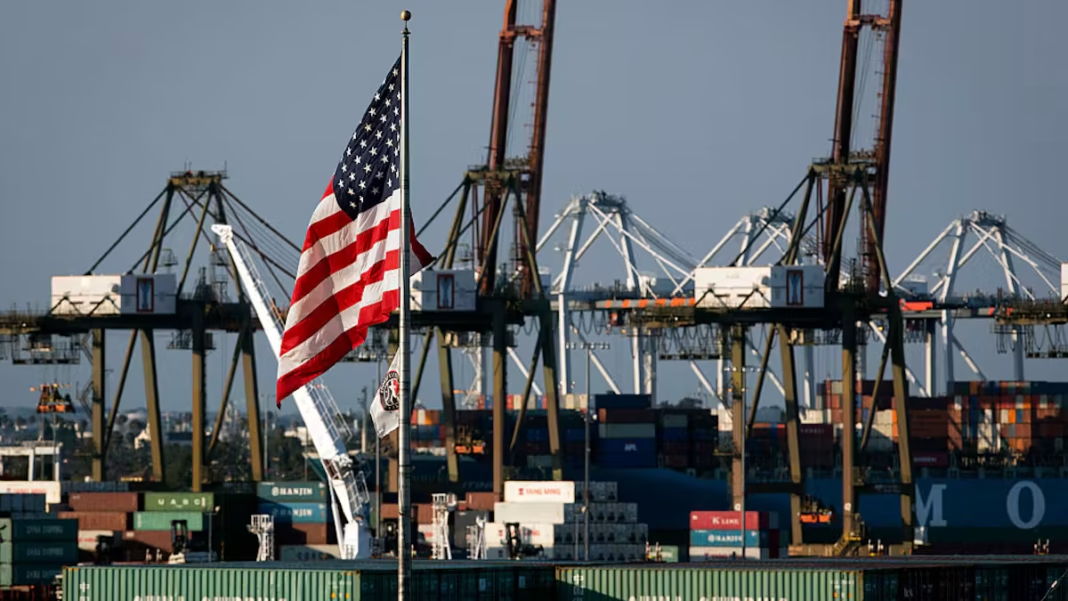
President Trump has extended the Jones Act waiver for energy and fertilizer shipments until November 15, keeping foreign‑built vessels in service for domestic deliveries. The waiver, issued after the U.S.-Iran conflict, has enabled 337 voyages from March through October, delivering diesel, gasoline, jet fuel, crude oil, fertilizer inputs and propane nationwide. Only 92 U.S.-built ships qualify for domestic ocean transport, creating a chronic bottleneck.
Supporters Demand Continuation as Election Year Approaches
Jones Act backers argue the waiver strengthens economic security, noting that no national‑security incidents have occurred despite the relaxed rules. A Public Opinion Strategies poll commissioned by the National Taxpayers Union found 73% of Americans support the waiver for fuel, propane and fertilizer transport.
Shippers now must obtain prior government approval, a requirement that cut daily voyages from an average of two to one every other day, a 75% reduction in capacity. The weaker waiver threatens supply chains for U.S. agriculture and energy producers, who warn that ending it would raise costs and hurt farmers.
Industry groups say the Jones Act’s protectionist rule inflates consumer prices by forcing reliance on limited U.S.-built ships, while the Navy relies on the same fleet for defense. Analysts point out that larger sectors such as aircraft and truck manufacturing face no similar mandates and thrive without protection.
Policy Options to Modernize the Jones Act
Experts propose automatic waivers when no U.S. vessels are available, carve‑outs for Alaska, Hawaii and Puerto Rico, and a streamlined emergency process for hurricanes or regional shortages. The United States, the world’s largest LNG exporter, cannot move its gas domestically because no Jones Act tankers exist, limiting energy distribution.
President Trump should extend the waiver through the Iran conflict’s end and monitor shipments for genuine security risks without imposing prior authorization, allowing producers to plan for the future. The current waiver expires November 15, and decisive action now would address voter concerns over affordability highlighted in recent midterm exit polls.
Bryan Riley is Director of National Taxpayer Union’s Free Trade Initiative.

