
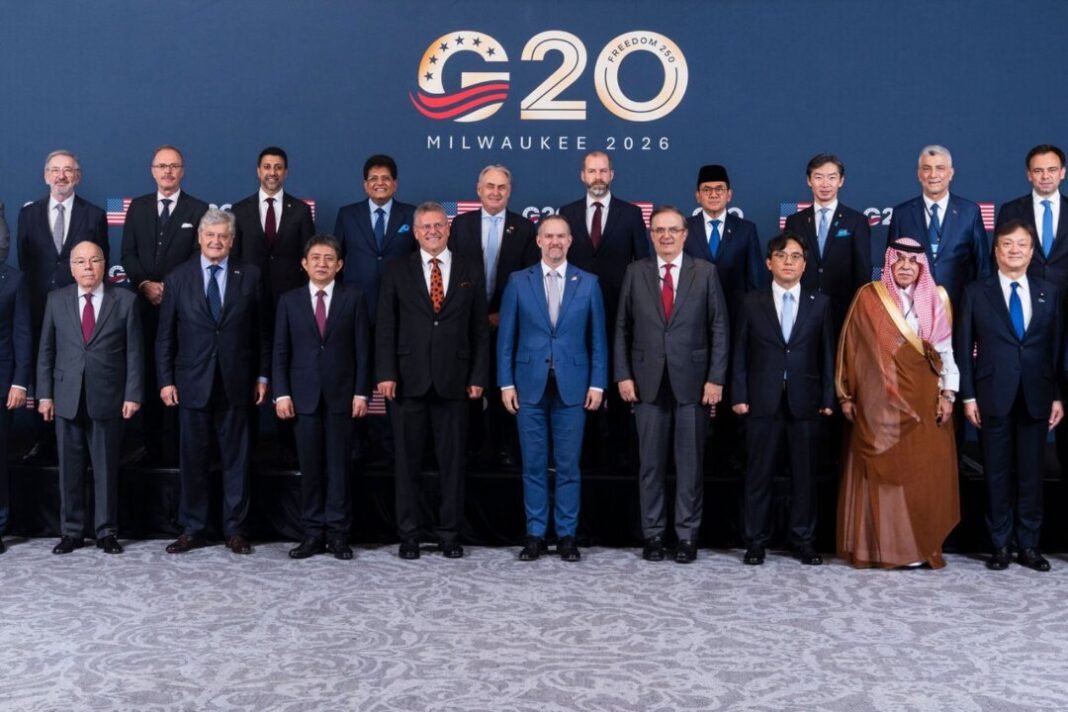
The United States has intensified its crackdown on Chinese industrial overproduction, targeting excess capacity that it says threatens American manufacturers.
At the Group of 20 trade ministerial in Milwaukee on September 30, USTR Jamieson Greer listed structural excess capacity as a top priority, alongside forced labor, food trade and the most‑favored‑nation principle.
Greer warned that non‑market policies let production expand far beyond domestic demand, spilling into global markets and pressuring workers in other countries.
He reminded G20 leaders that a decade‑old pledge to curb excess capacity has produced mostly talk, not action.
Chinese Subsidies and Excess Manufacturing Capacity
USTR opened Section 301 investigations on March 11 into China and 15 other economies for structural excess capacity and related manufacturing practices.
The probe examines whether government policies that fuel excess production are unreasonable, discriminatory or burden U.S. commerce, covering sectors such as automobiles, batteries, semiconductors, solar products, steel, aluminum, machinery, electronics, ships and chemicals.
Persistent foreign excess production can displace U.S. manufacturing and deter new investment in American factories, according to USTR.
Independent research confirms heavy state support for Chinese industry.
The OECD reported in June that Chinese firms received three to eight times more government assistance than OECD members between 2005 and 2024.
The OECD said worldwide industrial subsidies reached $108 billion in 2024, the highest level since 2009, with Chinese manufacturers benefiting disproportionately through grants and below‑market borrowing.
Steel illustrates the disparity.
Greer chaired a Global Forum on Steel Excess Capacity in Milwaukee on September 30, where participants endorsed the “Milwaukee Framework,” a plan for joint action against excess steelmaking capacity and market‑distorting subsidies.
In a Nikkei Asia interview on the sidelines of the G20 meeting, Greer said Washington expects to announce countermeasures against excess manufacturing within weeks.
USTR has not specified the form of those measures or confirmed that the timetable relates to the pending Section 301 investigations, which remain open.
The Epoch Times requested comment from USTR; the agency did not respond before publication.

