
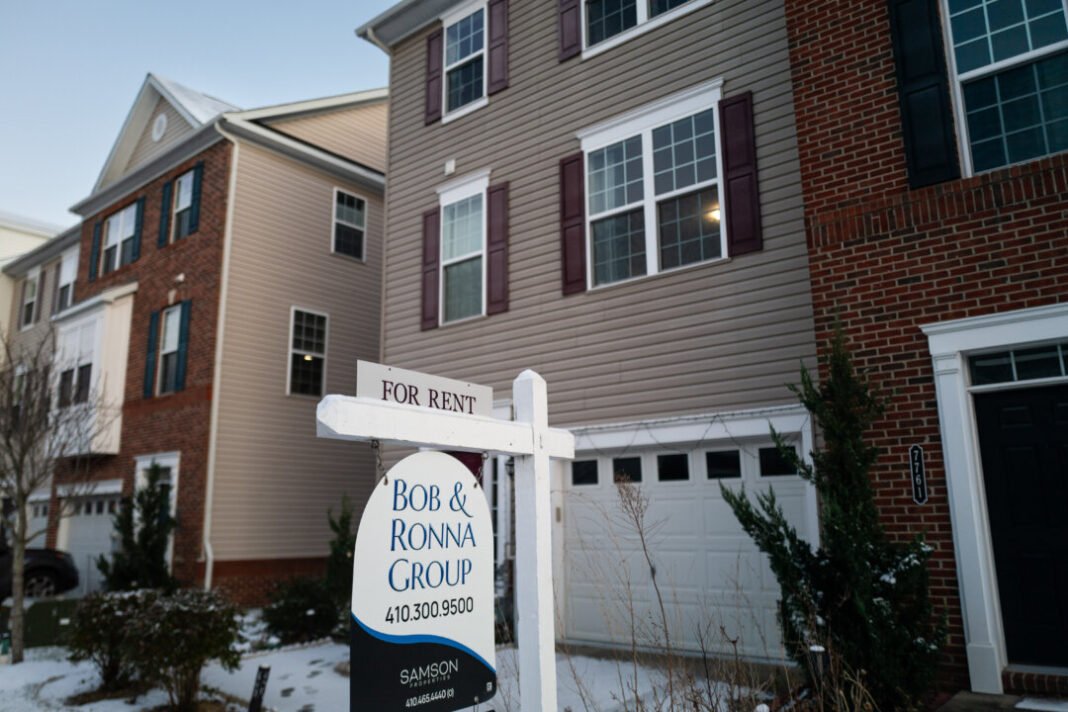
U.S. national median rent rose 0.1 percent year‑over‑year in October, marking the first annual increase since June 2023. The increase signals a modest rebound after a year of decline.
The October median asking rent reached $1,692, 4.6 percent below the summer 2022 peak and 15 percent, or $221, above the pre‑pandemic level. The figure remains well below the 2022 peak, but the rise ends a three‑year streak of annual drops.
Two‑bedroom rents climbed 0.3 percent to a median $1,889, while one‑bedroom rents edged up 0.1 percent to $1,566; studio rents fell 1.2 percent to $1,411. The gain reflects tighter supply in larger units, while smaller studios see modest softening.
Realtor.com notes that a multifamily construction boom in 2021‑2022 kept rents falling for three straight years, but as new supply wanes the downward pressure eases. The report says the slowdown in construction is easing pressure on prices.
Third‑quarter completions returned to pre‑pandemic levels, yet YoY completions dropped 26 percent to a seasonally adjusted 330,000 annual rate and units under construction slipped 2.7 percent to 674,000. Completions have slowed despite returning to pre‑pandemic levels, indicating a cooling market.
Freddie Mac reported the average 30‑year fixed‑rate mortgage rose to 7.28 percent, the highest level in four weeks. The uptick is the highest in four weeks, underscoring persistent financing costs.
The National Association of Realtors said its Pending Home Sales Index fell to 63 in October, 4.7 percent below September and 16.7 percent below October 2025, the lowest reading since 2001. The index fell to its lowest point since the series began in 2001, highlighting weak buyer activity.
Realtor.com warns that rent trajectories depend on whether new multifamily deliveries continue to outpace demand. Rent growth will depend on the balance between new supply and ongoing tenant demand.
Buying vs Renting
A Neighbors Bank study shows buying a starter home is cheaper than renting in 23 of 50 major metros. The increase signals a modest rebound after a year of decline.
The study defined a starter home as an entry‑level single‑family house in the lowest third of values per metro and compared monthly mortgage, tax and insurance costs to comparable rent using July data. The analysis defines a starter home as an entry‑level single‑family house in the lowest third of values for each metro.
Buyers in Birmingham, Alabama saved $625 per month, the largest gap, followed by Pittsburgh ($609) and Memphis ($597); Chicago, Cleveland and St. Louis each saved over $300, while Washington buyers saved only $11. The monthly cost comparison uses July data and assumes a 5% down payment with a 30‑year fixed mortgage.
Surveying 1,166 first‑time buyers, 40 percent cited equity building as the primary motive, 24 percent stability, 17 percent family plans and 9 percent avoidance of rent hikes. The survey of 1,166 first‑time buyers found equity building as the top reason, followed by stability and family considerations.

