
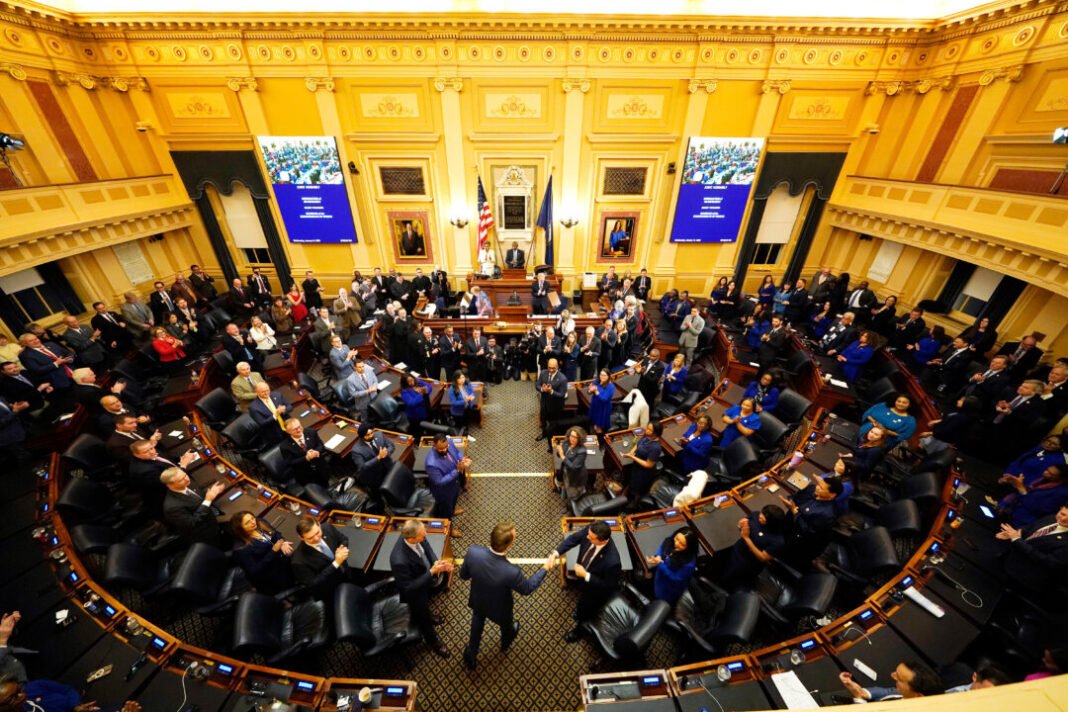
Virginia Governor Abigail Spanberger will reverse her predecessor’s decision to join a new federal K‑12 scholarship program, a move that will reshape education funding in the state.
Program Overview
Former Governor Glenn Youngkin had made Virginia the first state to opt in, but an IRS letter showed his administration never completed the required paperwork, according to The Washington Post. Spanberger’s spokesperson said the administration does not believe this program would benefit students in public schools, though the statute permits it.
How the Credit Works
Donors can contribute up to $1,700 (or $3,400 for married couples) to an approved scholarship‑granting organization and receive a dollar‑for‑dollar federal tax credit, eliminating the net cost if they owe at least that amount in taxes. The credit, officially called the Education Freedom Tax Credit, takes effect on January 1, 2027.
Key Benefits
States incur no expense; they only submit a list of qualifying SGOs by February 15, 2027. Scholarships cover tuition, tutoring, special‑education services, books, supplies and extended‑day programs, and donors may select any mission‑aligned SGO. The income cap, three times the local median, reaches about 96 percent of children, making most families eligible. Democratic governors in Colorado and New York, plus former Education Secretary Arne Duncan, have endorsed the policy as a bipartisan “no‑brainer.”
Projected Impact
Treasury and the IRS estimate more than 11 million donors could contribute $26 billion annually by 2030, though the Joint Committee on Taxation projects $3 billion to $4 billion. Ten of sixteen randomized trials show academic gains for some students. Virginia is projected to receive over $700 million a year at 30 percent participation, according to the think tank Education Reform Now.
State Participation Status
Likely participants include Alabama, Arkansas, Florida, Idaho, Indiana, Kansas, Kentucky, Louisiana, Mississippi, Missouri, Montana, Nebraska, New Hampshire, North Carolina, North Dakota, Oklahoma, South Carolina, South Dakota, Tennessee, Utah, West Virginia and Wyoming. States at risk are Alaska, Georgia, Iowa, Nevada, Ohio, Texas and Colorado, where new or outgoing governors must file before their terms end. New York and New Mexico have announced they will join; California, Connecticut, Delaware, Illinois, Maine, Maryland, Massachusetts, Michigan, New Jersey, Pennsylvania, Rhode Island, Vermont, Washington and the District of Columbia remain undecided. Oregon, Hawaii, Minnesota and the governors of Arizona and Wisconsin have vetoed opt‑in bills, while the first opt‑in state, Virginia, now faces uncertainty.
Homeschooler Rule
Treasury’s proposed rule would exclude homeschoolers and microschoolers in 28 states; comments are due December 1 at regulations.gov (REG‑117199‑25). Families should submit comments to protect their options.
Plan your January gift and confirm your SGO appears on the state list. If your state is at risk or undecided, contact your governor. Virginians should ask Governor Spanberger to reconsider, because a child’s options must not depend on a state line.

