
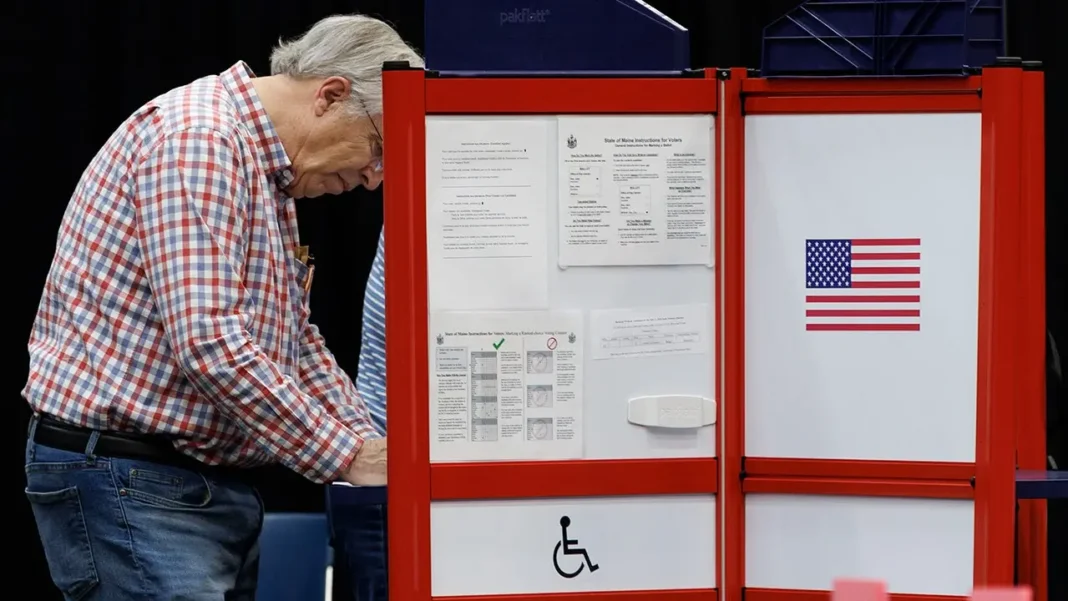
Polling has repeatedly misread the electorate, and the 2024 midterms reveal a new wave of errors that threaten its credibility.
History Shows Polls Often Miss the Mark
In 1936 Literary Digest, using postcards drawn from telephone books and car registrations, forecasted Alf Landon would beat Franklin Delano Roosevelt; Roosevelt won handily.
Gallup began systematic approval tracking in 1938, yet the 1948 Chicago Daily Tribune headline “Dewey Defeats Truman” proved polls could misfire when sampling missed Election Day reality.
John F. Kennedy’s 1960 campaign relied on Lou Harris of the Harris organization, making him the first president closely tied to a polling firm.
Modern Missteps: From Bush to Trump
Exit polls in 2004 suggested John Kerry would defeat George W. Bush, but Bush secured a second term, a mistake highlighted by campaign adviser Bob Shrum.
Mitt Romney’s 2012 team assumed favorable turnout models that overstated youth and minority support, leading to an inaccurate victory forecast, according to the campaign’s pollster.
The 2016 pollsters confidently predicted a Clinton win, ignoring the actual Electoral College outcome and sparking widespread distrust.
Current Challenges: Low Response Rates and Human Error
Modern phones with caller ID slash response rates, inflating the “silent majority” and forcing pollsters to rely on more human judgment.
Errors now stem from modeling choices rather than new technology, as pollsters overreact to past failures and fight the last war, analysts note.
Tevi Troy, senior fellow at the Ronald Reagan Institute, warns that polls serve as snapshots, not guarantees of voter behavior, urging the public to vote regardless of numbers.
What Voters Should Do
Polls remain useful for tracking sentiment, but they do not ensure turnout; citizens must turn out to vote and not place blind trust in numbers.

