
Summer heat exposes hidden window flaws that spike cooling bills.
Spot the Leaks Early
Angie Hicks, founder of Ask Angi, warns that worn weatherstripping, cracked caulk or gaps around frames let cool air escape and hot air infiltrate, forcing HVAC units to work overtime and raising energy costs.
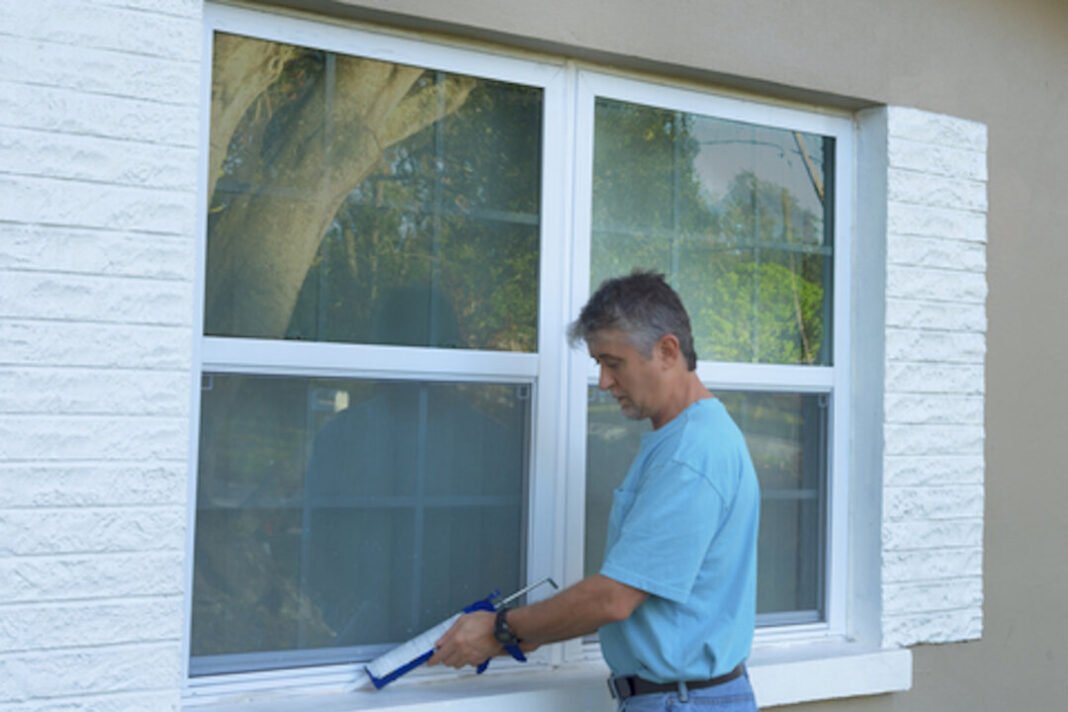
Homeowners should inspect windows for drafts, especially when closed, and seal gaps with fresh caulk or replace weatherstripping, a low‑cost fix that boosts efficiency.
Check Window Functionality
If windows stick, won’t lock or show condensation between panes, the seal may have failed, reducing insulation and indicating a need for repair or replacement.
Condensation in double‑pane units signals a broken seal, cutting the window’s R‑value and driving up cooling expenses, according to energy‑efficiency specialists.
Examine the Exterior
Inspect siding, trim and caulking for cracks, peeling paint or damaged wood that could let moisture in as fall approaches.
Addressing exterior wear now prevents water damage and improves insulation, experts say.
Repair or Replace Strategically
Replacing every window isn’t necessary; focus on those receiving the most sun or showing the greatest wear to achieve immediate comfort and stretch larger investments.
A qualified window professional can assess each opening, identify loss points and recommend repairs or swaps that match the homeowner’s budget and goals.
Regular summer inspections keep homes comfortable, lower energy bills and prepare houses for cooler weather, Angie Hicks adds.

