
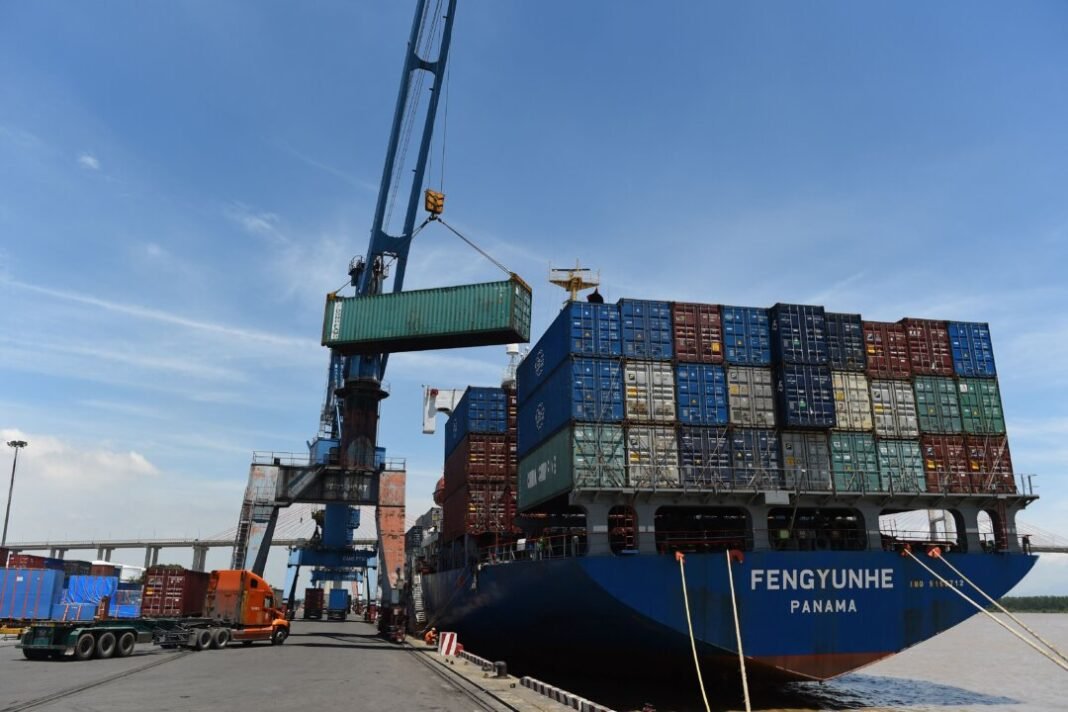
Chinese firms are fleeing Trump‑era tariffs by moving production to Vietnam, sparking a rapid economic shift. The relocation is reshaping Vietnam’s industrial landscape.
Tariff Pressure Fuels Relocation
President Donald Trump’s 2018‑2019 tariffs reached 20%, and his 2024 term pushed rates to nearly 60% before settling above 45% on average. Chinese manufacturers have shifted production to third‑country sites to avoid the duties.
Vietnam Emerges as Primary Destination
Vietnam offers lower wages, shorter logistics and open investment policies, making it the top alternative to China. The Vietnam‑Singapore Industrial Park now hosts more than 15% Chinese tenants, up from 9% in 2021, while DEEP C zones in Hai Phong report Chinese occupancy rising to one‑fifth of space.
Economic Gains and Risks
The influx brings development, training and jobs to Vietnam, but officials warn that unchecked migration could turn the country into a de‑facto Chinese economic colony. China already accounts for 18% of Vietnam’s export turnover and employs roughly 12% of its manufacturing workforce.
Supply‑Chain Constraints
Vietnam’s labor force is improving, yet it lacks deep supply‑chain capabilities; most precision inputs still arrive from China or South Korea. Chinese imports to Vietnam jumped 30% in 2025, underscoring the reliance on Chinese inputs.
Vietnam’s Strategic Response
Hanoi aims to break the dependency cycle by expanding research and development spending to 2% of GDP and training 50,000 chip designers by 2030 and 100,000 by 2040. Success would shift Vietnam from a facilitator of Chinese interests to a genuine competitor.
Views expressed are the author’s and do not necessarily reflect those of The Epoch Times.

