
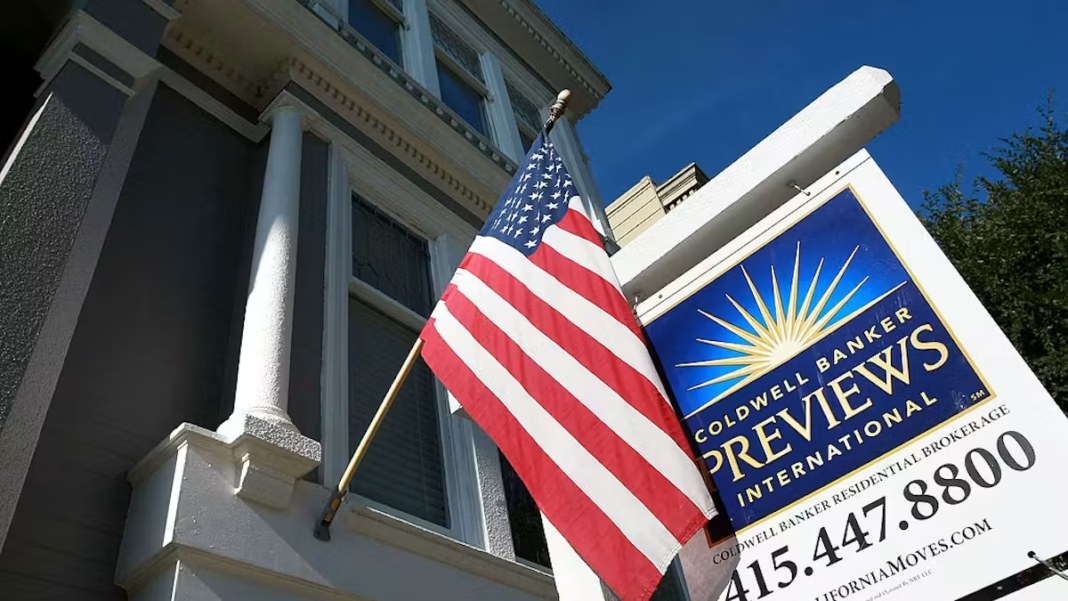
The housing market feels rigged, with ordinary buyers locked out while powerful interests hide inventory from view.
Sky‑high prices stem from restrictive zoning, burdensome regulations, environmental reviews and high interest rates, but Congress acted in July 2026 with the 21st Century ROAD to Housing Act, banning private‑equity purchases of starter homes, cutting red tape and rewarding dense construction.
Data also show that the Trump administration’s crackdown on illegal immigration reduced demand, and in January 2026 it ordered Fannie Mae and Freddie Mac to purchase $200 billion of mortgage‑backed securities, driving 30‑year rates to historic lows.
Now a hidden threat emerges: real‑estate giants are colluding to keep listings off the public MLS, forcing buyers to rely on private networks that charge fees and limit access.
Congressional Scrutiny
Both parties have taken notice. Rep. Scott Fitzgerald (R‑WI) warned of “velvet ropes” and demanded a staff briefing, while Sen. Elizabeth Warren (D‑MA) warned the deal could create a two‑tiered market and set a response deadline.
Competition policy should not be partisan; a market where some see inventory and others do not deserves bipartisan scrutiny, and Congress is converging on that point.
Artificial information barriers depress affordability just as supply restrictions do, and the Justice Department and FTC must examine these private listing arrangements for antitrust violations.
With the Trump administration already attacking regulatory hurdles, it must now dismantle information barriers to reopen a truly competitive housing market.

