
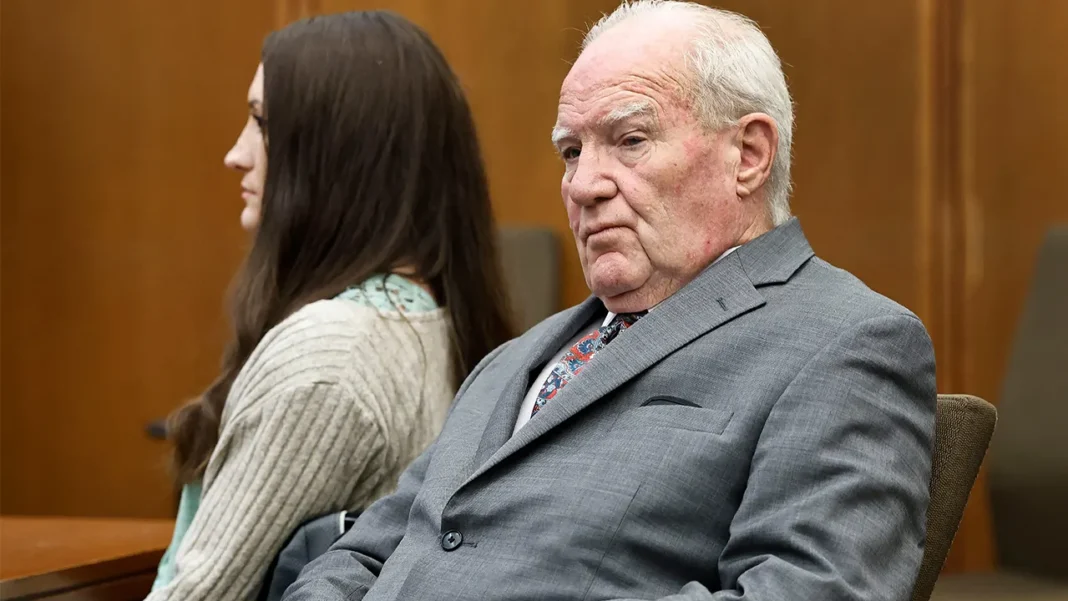
Jurors in the Lindsay Clancy triple‑murder case began a sixth day of deliberations Thursday. They deadlocked twice on a unanimous verdict.
Clancy Faces Triple Murder Charges
Clancy is accused of killing her three children — Cora, 5; Dawson, 3; and infant Callan, 8 months — in their Duxbury home in January 2023. She faces three counts of murder, with potential sentences ranging from manslaughter to life imprisonment.
Judge Sullivan Responds to Jury Note
Judge William Sullivan received a new note from the jury Thursday afternoon and explained the prosecution’s burden of proof beyond a reasonable doubt before sending jurors back to continue deliberating. He reiterated that the prosecution must prove guilt beyond a reasonable doubt.
Legal Experts Warn of Deliberation Strain
Retired judge Carol Erskine, who is not involved in the case, said judges must avoid interfering with jurors’ private discussions. She warned that any external pressure could undermine the fairness of the trial.
Defense Challenges Holdout Juror Claim
Prosecutor Reddington asked the judge to remove a juror he described as a single holdout, alleging that another juror accused the holdout of ignoring the law. Judge Sullivan denied the request, emphasizing the court’s duty to respect the jury’s independence.
Social Media Fuels Trial Drama
TikTokers and sleuths have turned the Clancy case into a viral obsession, a factor that could sway public perception and potentially influence the defense. The intense online scrutiny adds another layer of pressure for the legal teams.
Yannetti Describes Deliberation Wait
Yannetti said the wait feels like “being cooked on a frying pan,” noting that attorneys have limited control once jurors are sequestered. He warned that the prolonged wait can be torturous for clients and counsel alike.
Parallel with Karen Read
Read’s first trial ended in a deadlocked jury after five days in 2024; she was later acquitted after a second trial with a four‑day deliberation period. Both cases illustrate how intense media attention and public pressure shape high‑profile murder prosecutions in Massachusetts.

