
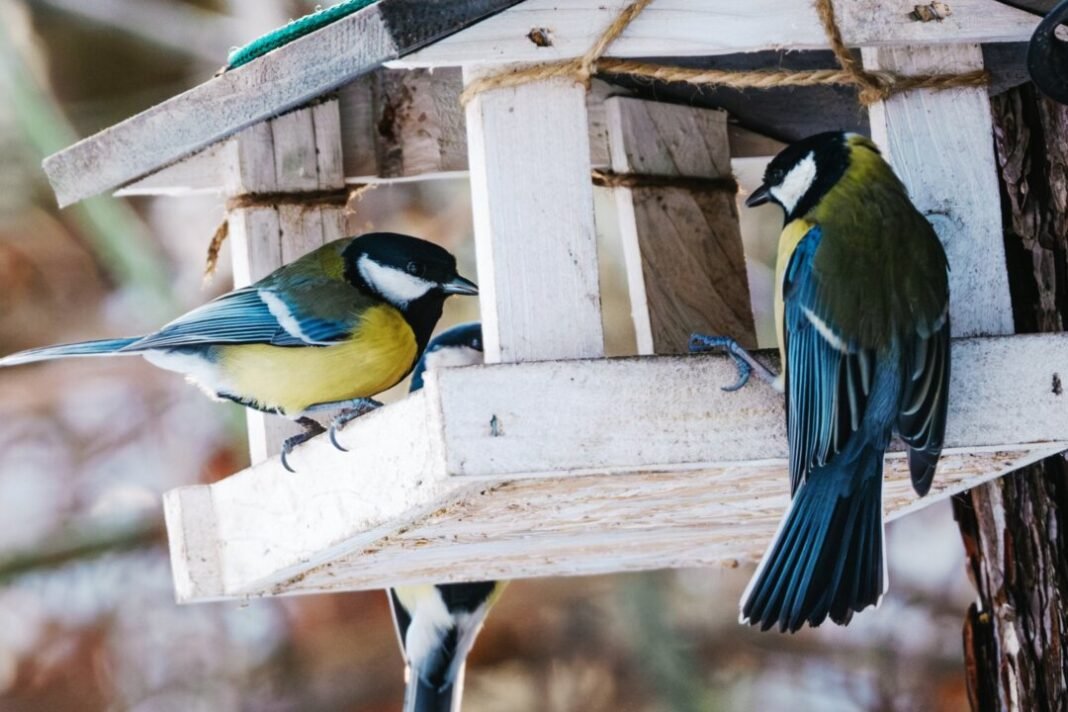
Project FeederWatch kicks off November 1, marking the start of the continent’s largest citizen‑science bird count.
How the count works
Volunteers tally the highest number of each species they see at their feeders from November through April, reporting the totals to the Cornell Lab of Ornithology.
The survey covers backyards, nature centers and community sites across North America, providing scientists with data on winter bird movements and long‑term abundance trends.
Why the data matters
Researchers use the counts to detect shifts in distribution, irruptions of finches and other species, and the impact of diseases such as West Nile virus.
Long‑term trends reveal how natural food shortages drive birds to lower elevations and rely on feeders, information that cannot be obtained by any other easy method.
The annual participation fee is $18 ( $15 for Lab members); first‑time participants receive a free entry with code FIRSTPFW, and educators enjoy additional discounts.
Learn more at feederwatch.org, where maps, trend graphs and other results are displayed.
Courtesy of Jeff Rugg

