
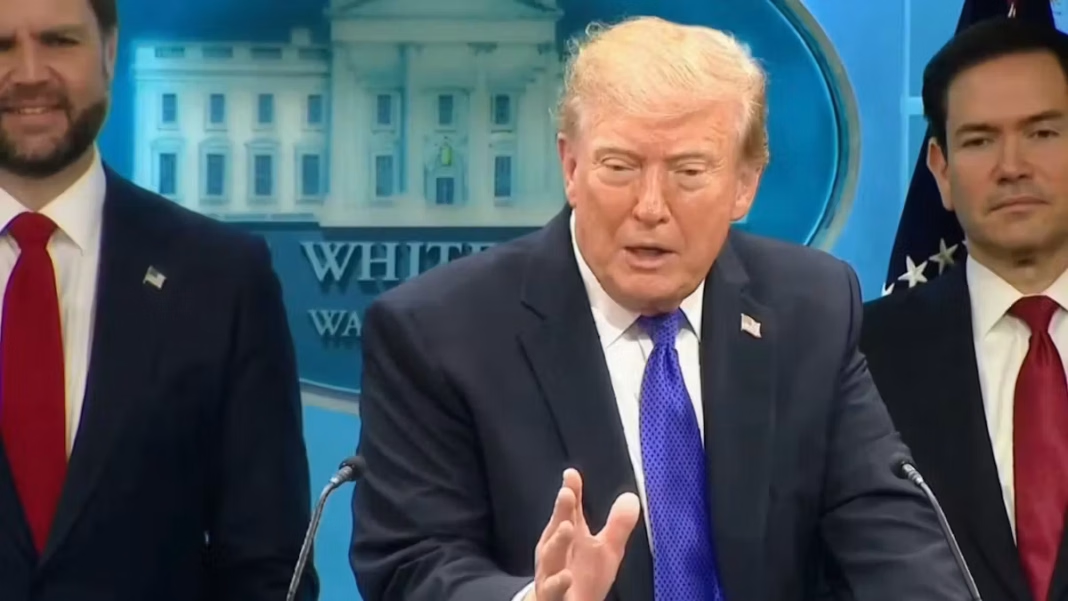
President Donald Trump urged Congress Friday to pass the Protect College Sports Act. He warned that failure would bankrupt colleges and end college sports.
Senate approval, House stall
The Senate cleared the bipartisan Protect College Sports Act 77‑22 in late September. The House has not yet voted on the measure.
Senator Ted Cruz announced the bill’s progress on Twitter. He said the House must act before the term ends.
Time pressure
Congress adjourns December 17. This leaves only three weeks after the House returns from Thanksgiving on November 30.
Lawmakers warn that any delay could force the bill to restart under a Democratic‑controlled Congress in January. The narrow window makes passage urgent.
Revised bill eases conference rules
A revised House version released Friday expands the conference cap from 20 to 22 teams. It also removes the three‑year independent probationary period for schools switching leagues.
Yahoo reporter Ross Dellenger noted the changes target ACC schools that lobbied for greater flexibility. The adjustments address long‑standing concerns about conference realignment.
Florida State, Miami, Clemson and North Carolina requested the adjustments. They argue the original limits would restrict future realignment opportunities.
Key provisions and obstacles
The legislation would set national standards for NIL compensation, eligibility, transfers and revenue sharing. It also grants limited antitrust protection to the NCAA and conferences.
Opponents cite disagreements over athlete compensation, employment rights and conference realignment as hurdles. These issues complicate the bill’s path forward.
Trump’s criticism of Michigan’s $12 million quarterback deal highlighted concerns about escalating athlete pay. The comment underscores financial tensions in college sports.
What’s next
The House is scheduled to vote in the first week of December after the Rules Committee reviews the revised text. Lawmakers must clear the bill before the December 17 adjournment.
Senate approval of the changes is required before the bill reaches Trump’s desk. Without Senate ratification, the legislation cannot become law.
If it fails before December 17, the effort must begin anew in the next Congress. A new session would start under a Democratic‑controlled Congress in January.
Follow Gus Wilson on X at @ByGusWilson

