
Santa Fe, New Mexico, defies expectations by emerging as a premier cultural destination in the American Southwest. The city blends world‑class opera, chamber music, historic art, and distinctive cuisine into a compact, vibrant experience.
Santa Fe Opera
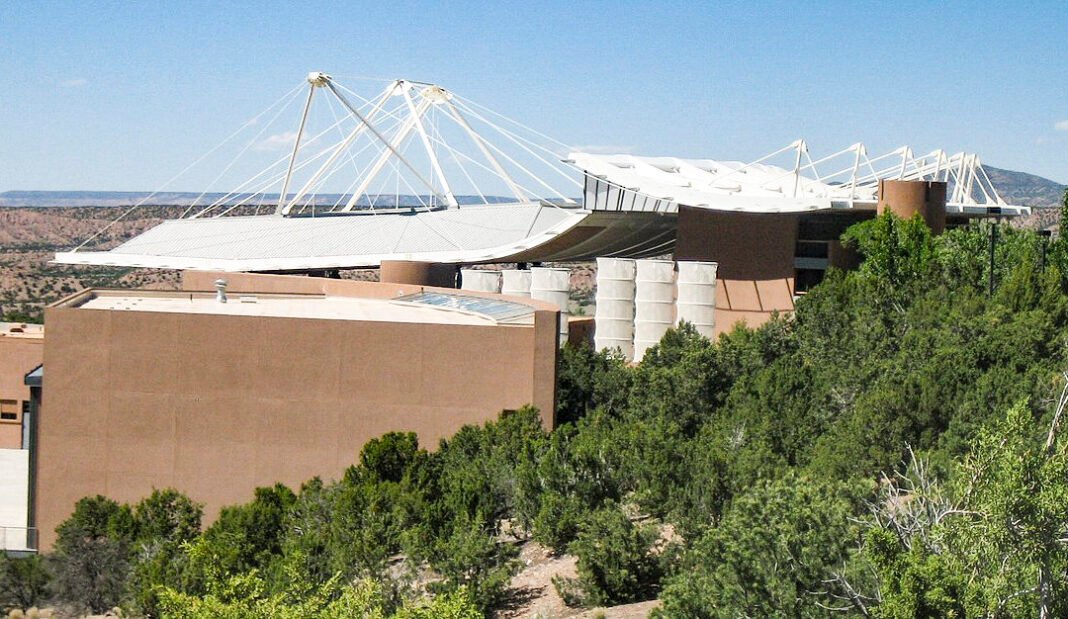
John Crosby founded the Santa Fe Opera in 1957 on a 199‑acre ranch he bought with a $200,000 loan from his parents. He envisioned an open‑air venue that would bring world‑class opera to the remote Southwest.
The original venue was open to the elements, and frequent rain‑outs led to a fully covered roof by the early 1960s. Today the stage remains open on the sides while the roof protects performers from weather.
The company has staged roughly 2,000 performances of nearly 200 operas, premiering six Richard Strauss works in the United States. These productions have attracted audiences from across the globe.
This summer the Magic Flute runs nightly, while Così fan tutte is scheduled for 2025, according to the Santa Fe Opera website. Both operas are sold out, highlighting the company’s enduring popularity.
Santa Fe Chamber Music Festival
The festival launched in 1973 under the artistic direction of cellist Pablo Casals, instantly gaining prestige. Its early concerts set a standard for artistic excellence that persists today.
Today it spans six weeks and features more than 70 internationally recognized musicians. The diverse program covers the entire classical repertoire, from baroque to contemporary.
Viola soloist Paul Neubauer, former principal viola of the New York Philharmonic, performed Schubert’s “Arpeggione” Sonata and Shostakovich’s Piano Quintet during the 2024 season. His virtuosity underscores the festival’s commitment to high‑caliber talent.
The 2024 roster includes works by Bach, Mozart, Beethoven, and a new piece by Magnus Lindberg, with tickets available at SantaFeChamberMusic.org. Fans can attend multiple concerts throughout the six‑week run.
Spiritual Culture
The area has been a sacred site for Pueblo Indians long before European contact. This heritage continues to shape the city’s cultural identity.
Visitors can tour nearby pueblos, including Chimayo, home to a healing shrine known as the “Lourdes of North America,” according to the Holy Chimayo website. The site draws pilgrims seeking spiritual renewal.
The Cathedral Basilica of St. Francis of Assisi, designated a basilica by Pope Benedict XVI in 2005, houses a 30‑inch wooden statue of Our Lady “La Conquistadora,” the oldest extant representation of the Virgin Mary in North America. The statue is displayed in a small chapel on the south side of the building.
Her small chapel on the south side displays more than 300 donated costumes, a detail recorded by the Basilica’s archives. These costumes reflect contributions from artists, patrons, and even an Alaskan Eskimo tribe.
Georgia O’Keeffe
Georgia O’Keeffe arrived in northern New Mexico in 1929, inspiring a style that captures the region’s vivid colors and forms. Her work remains a cornerstone of American modernism.
The Santa Fe O’Keeffe Museum holds the world’s largest collection of her work and also showcases other regional artists. The museum draws art lovers from around the world each year.
The novel “Death Comes for the Archbishop” by Willa Cather offers a fictional glimpse of the city’s cultural legacy. The story reflects the enduring influence of the region’s history on literature.

