
The Trump administration on May 1 slammed the door on Cuba’s attempt to secure an economic lifeline, expanding sanctions that bar any U.S. entities from operating in energy, defense, mining, finance and security sectors of the Cuban economy.
Cuba’s Recent Reform Attempt
Just weeks earlier, on March 16, Cuba’s communist leadership announced vague reforms allowing overseas investment and expanding private property rights, with Deputy Prime Minister Oscar Pérez-Oliva Fraga saying the island was “open to maintaining a fluid commercial relationship with U.S. companies.”
Rubio’s Hardline Stance
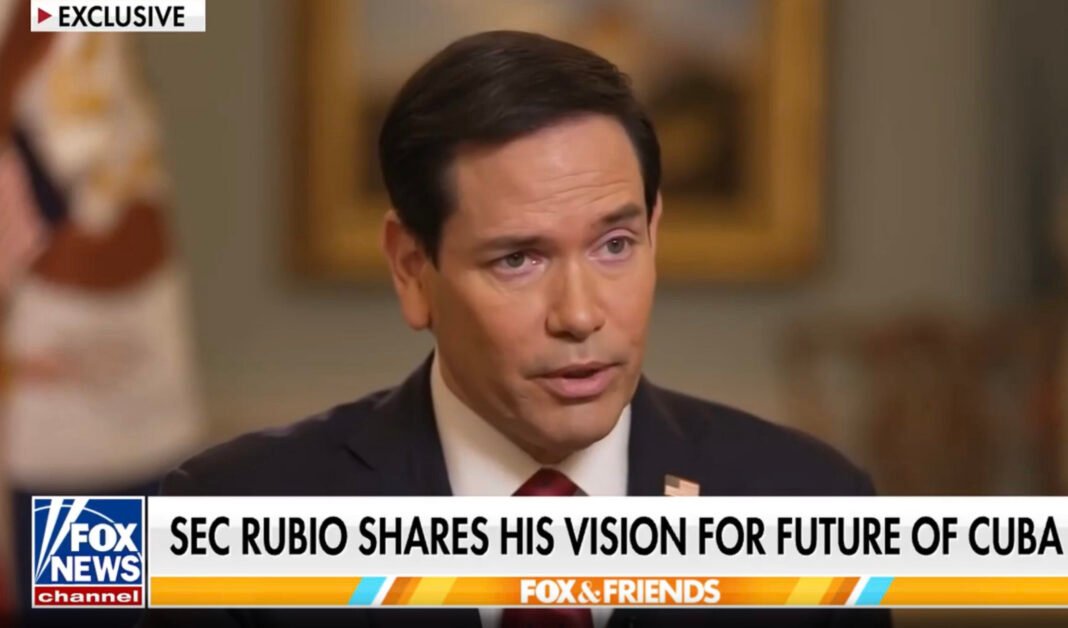
A State Department spokesman directed The Federalist to Secretary of State Marco Rubio, who told Fox News that Cuba is a “failed state” and that “serious economic reforms are impossible with these people in charge.”
Trump’s Provocative Remark
On the same day he signed the order, President Trump joked at a Florida rally that he would be “taking over” Cuba “almost immediately.”
Donron Doctrine Shapes Policy
The new policy frames a 21st‑century Monroe Doctrine, asserting U.S. security dominance over the Western Hemisphere and warning that any foreign military or intelligence presence in Cuba threatens U.S. interests.
CANF’s View
The Cuban American National Foundation, a Miami‑based anti‑communist group, said in its March newsletter that the Cuban government “cannot correct itself,” adding that “there is no adaptation, no opening, only control.”
U.S. policy now assumes the Cuban regime cannot reform or survive, though the ultimate outcome remains unclear.

