
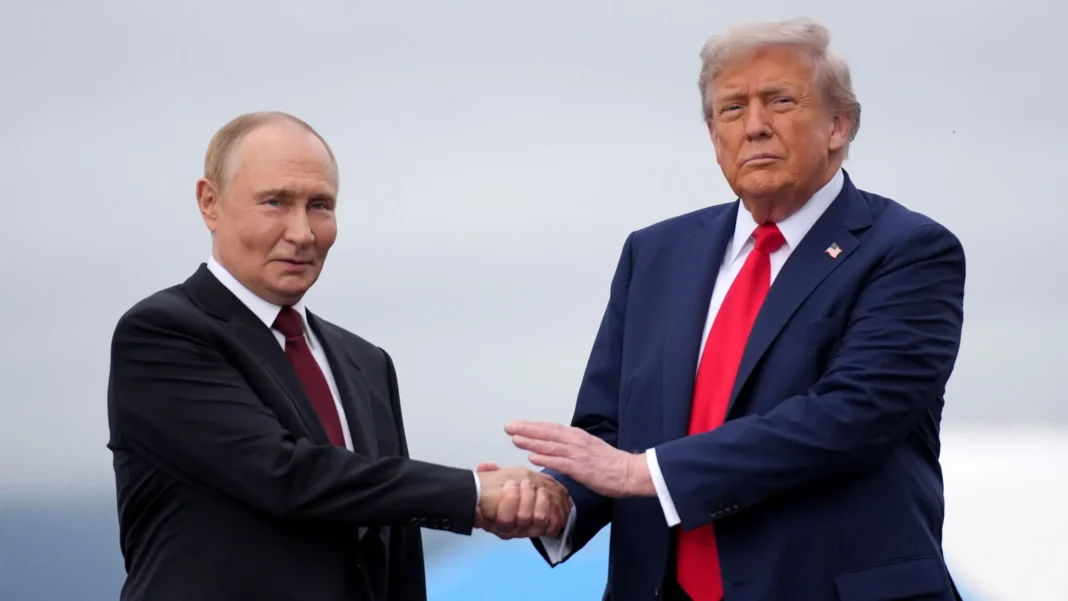
President Donald Trump has temporarily lifted sanctions on Russian diesel, betting the move will bring Vladimir Putin to the negotiating table and lower U.S. fuel prices.
Bipartisan Push to Reverse Diesel Deal
Six Republican senators joined Democrats in urging Trump to scrap the diesel authorization, calling it a betrayal of U.S. allies.
The Treasury issued General License 135 on October 9, allowing Russian diesel imports through April 7, 2027.
Congress requires implementation of the new sanctions law by October 18, 2026, a deadline that looms over the administration.
Deal Details and Economic Claims
Trump announced the agreement after a phone call with Putin, promising more than 300,000 metric tons of diesel in October, 500,000 tons in November, 1 million tons shortly thereafter and up to 3 million tons later.
The administration argues the influx will ease global diesel shortages and reduce pump prices for American consumers.
Energy analysts question whether the volumes will meaningfully affect U.S. prices, noting Russia’s limited export capacity.
Opposition and Strategic Concerns
John Hardie, deputy director of the Russia Program at the Foundation for Defense of Democracies, says the deal makes sense only as part of a reciprocal energy truce.
He warns that offering sanctions relief before securing Ukrainian restraint could embolden Putin and prolong the war.
Sergey Vakulenko, senior fellow at the Carnegie Russia Eurasia Center, estimates the $7 billion diesel transaction will yield Moscow only tens of millions of dollars monthly in additional revenue.
He adds that Russian diesel exports fell from 3 million tons per month in April to 325,000 tons in September, limiting the deal’s impact.
Political Fallout
Trump envoys Steve Witkoff and Jared Kushner met Ukrainian officials to soften Moscow’s stance, according to Reuters.
Ukrainian President Volodymyr Zelenskyy criticizes the diesel pact, saying Russia ignored Trump’s energy ceasefire and resumed attacks on Russian oil infrastructure.
White House officials defend the agreement, stating it serves two purposes: adding supply to global fuel markets and demonstrating economic benefits of improved relations.
Congress moves in the opposite direction, with the Lindsey O. Graham Sanctioning Russia and Iran Act set to take effect on October 18.
Six Republican senators and six Democrats urged Trump to rescind the diesel deal and fully implement the new sanctions law, arguing the diesel will have a negligible price effect while enriching Moscow.
A bipartisan group of 22 House members echoed the call, demanding revocation of the diesel authorization.
Assessment of Leverage
Hardie argues Putin’s calculations focus more on Ukraine and his legacy than on short‑term GDP gains, suggesting economic incentives may have limited power.
The diesel agreement now tests Trump’s theory that tangible economic benefits can draw Putin toward a settlement, or whether Moscow will view the easing as a reason to hold out for further concessions.

