
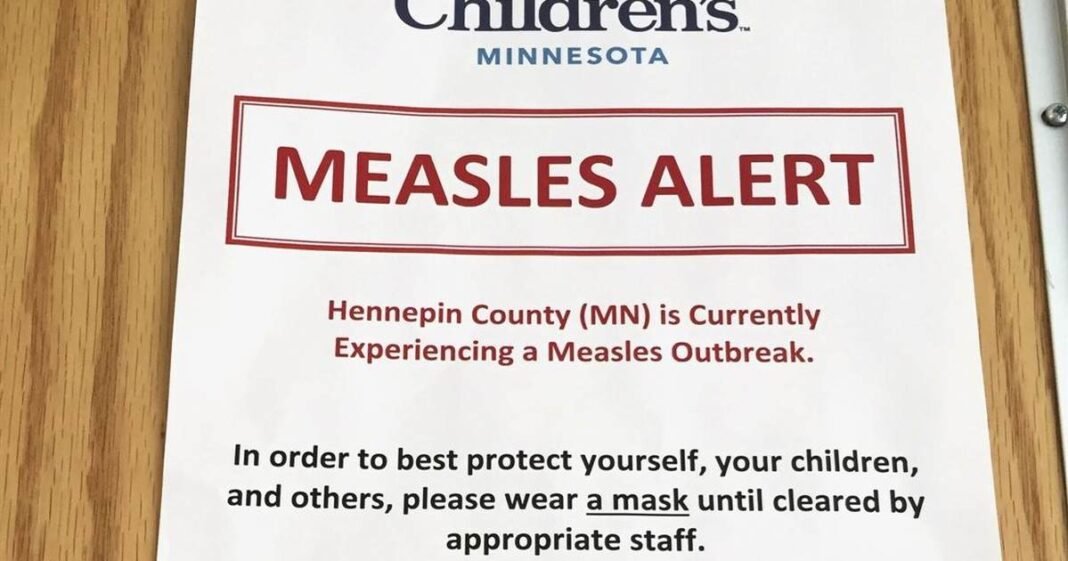
Measles cases have surged to a record 5,412 confirmed infections in 2024. The spike has reignited debate over the root cause of the outbreak.
Immigration and Measles: A Misplaced Blame
Health officials say the rise is not linked to illegal immigration. CDC data shows that most cases occur in undervaccinated communities, not among recent arrivals.
Vaccination Gaps Drive the Surge
Kindergarten vaccination coverage fell to 92.7% in the 2023‑24 school year, below the 95% target needed to halt measles transmission, according to the CDC. The decline falls well short of the herd immunity threshold required to prevent outbreaks.
Children under five accounted for 951 of the 5,412 cases this year, while those aged five to 19 made up 2,183, representing roughly 58% of all infections. Health officials warn that these pockets of low coverage create conditions for rapid spread.
Outbreaks have centered on tight‑knit, often religious or rural groups, including Mennonite communities in West Texas, evangelical Slavic congregations in South Carolina, fundamentalist groups in Utah, and Amish settlements in Pennsylvania, where vaccination rates have declined sharply. The clusters have persisted despite overall national case numbers remaining relatively low.
Policy Responses and Evidence Requirements
Public health experts stress that blaming “illegal aliens” lacks empirical support and that the burden of proof rests on anyone claiming immigration drives the spread. Authorities emphasize that correlation does not equal causation.
While deportation operations rose in 2024, case numbers kept climbing, showing that enforcement does not curb transmission. The continued rise despite intensified enforcement underscores the irrelevance of immigration status to transmission dynamics.
Skepticism toward vaccines, amplified by misinformation about autism and infertility, has eroded confidence in all immunizations, including the MMR vaccine introduced in 1971. Misinformation about vaccine safety has spread unchecked on social platforms, fueling hesitancy.
Freedom of choice remains protected, but the resurgence of a preventable disease highlights the serious public health costs when individuals reject scientifically backed recommendations. Public health campaigns must address the underlying distrust without compromising individual liberty.

