
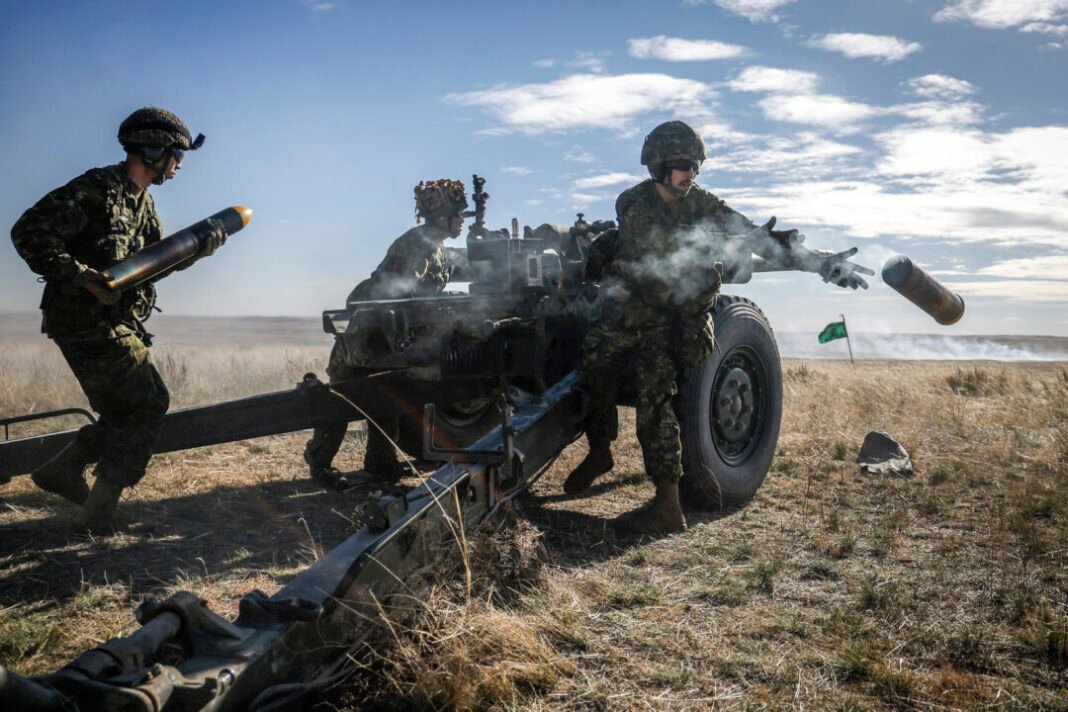
Canadian army slashes reserve jobs as defence spending soars, cancelling training and cutting part‑time positions on the eve of Remembrance Day. The move threatens the readiness of Canada’s citizen‑soldier backbone.
Institutional Contradiction
The author, a former army officer with three decades of service, argues that budget tightening protects regular forces while reservists bear the cuts. He warns that this pattern repeats whenever fiscal pressure mounts.
Canadian Armed Forces claim the reductions reallocate resources toward higher readiness priorities, but they eliminate training days and full‑time reserve posts. Officials say the changes are necessary to fund modern equipment upgrades.
The 2024 reconstitution directive pledged growth of both regular and reserve forces, yet current cuts move in the opposite direction, violating the “Strong, Secure, Engaged” target of 30,000 reservists. Critics argue the directive contradicts its own stated goals.
Analysts say the culture treats reserves as a subordinate manpower pool rather than an essential component of national defence. Such thinking undermines the strategic depth required for modern conflicts.
The 2016 auditor general report highlighted inadequate training, equipment shortages and insufficient personnel, and the Public Accounts Committee warned that reservists were effectively second‑class soldiers. Parliament responded with serious concern, yet implementation has lagged.
Reserve units provide expertise, recruitment networks, community ties and leadership structures that cannot be recreated quickly if an international crisis erupts. Their loss would cripple Canada’s ability to respond to emergencies and overseas deployments.
During the world wars and Afghanistan, citizen‑soldiers supplied vital manpower, and reservists reinforced domestic emergencies and overseas operations. History shows that a balanced force is essential for sustained national security.
Ukraine’s experience shows that sustained manpower depth and rapid mobilization are essential, a lesson echoed by NATO’s deteriorating security environment. Allies now stress the need for scalable forces capable of prolonged conflict.
Reservists combine civilian employment with military service, offering cost‑effective capacity without requiring full‑time personnel, a model the defence headquarters appears ready to discard. Doing so would waste a uniquely efficient human‑resource lever.
The planned 1st Canadian Manoeuvre Division should expand deployable strength, yet it threatens the 2nd Canadian Division’s reserve formations, amounting to institutional cannibalism rather than modernization. Such trade‑offs jeopardize the overall combat effectiveness of the army.
The minister of national defence must suspend cuts to essential reserve training and leadership positions, publish operational consequences and secure funding for recruitment, training and unit readiness. Immediate action is needed to prevent irreversible damage to force generation.
Parliament should demand measurable growth targets, transparent reporting and accountability from commanders responsible for delivering them. Legislators must hold leadership to clear, enforceable standards.
A serious national mobilization strategy requires defined reserve roles, well‑equipped units and an expansion framework beyond current authorized strength, backed by sustained investment in instructors, armouries and employer support. Without these elements, announced manpower goals remain hollow promises.
Senior commanders must stop equating administrative savings with operational effectiveness; you cannot grow an army by shrinking its reserves, nor defend tomorrow’s Canada by sacrificing today’s mobilisation capacity. Their decisions now will shape Canada’s defence posture for decades.
Views expressed are those of the author and do not necessarily reflect those of The Epoch Times.

