
Retail earnings this quarter showed divergent results among the nation’s biggest U.S. retailers, with discount chains gaining traffic while Walmart’s headline performance fell short of expectations.
Contrasting Trends
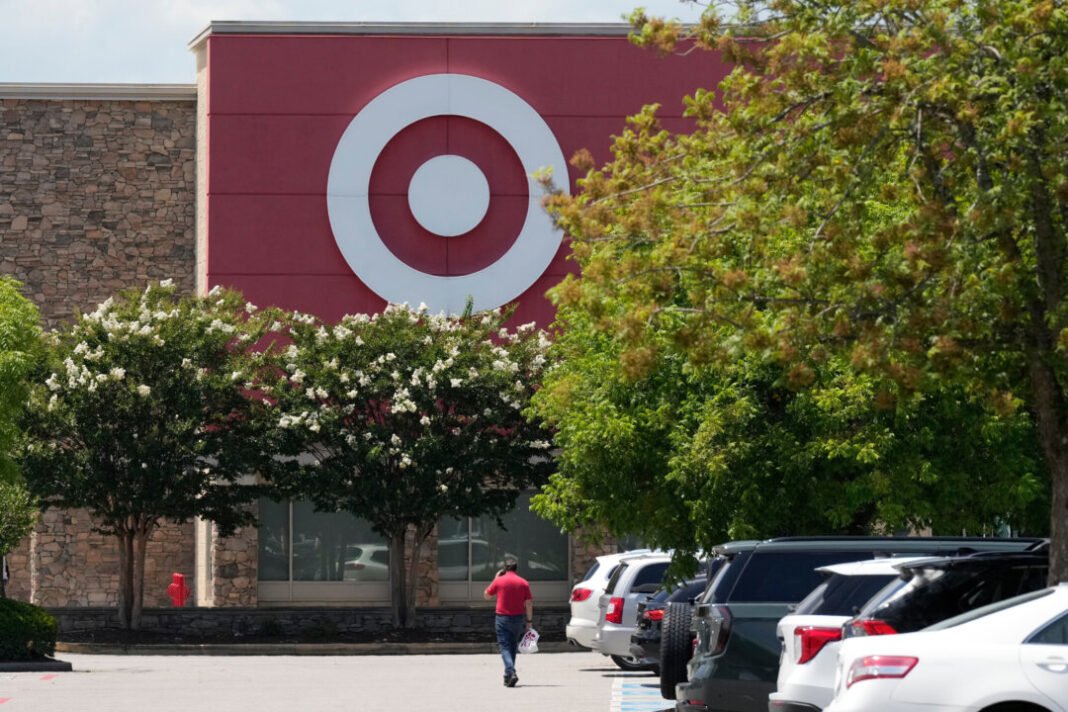
Target posted higher sales, improved margins and lifted its full‑year outlook, sending shares up 7 percent for the week.
CEO Michael Fiddelke said the company is pursuing four priorities—sharper merchandising, better in‑store experience, stronger technology and deeper investment in its workforce and communities.
Analyst John Zolidis of Quo Vadis Capital noted the quarter’s strength came from easy year‑over‑year comparisons and generous tax refunds, adding that Target sits between Walmart and Amazon in customer loyalty.
Ross Stores reported a 13 percent sales increase and 10 percent comparable‑store growth, prompting a guidance raise and a 4.4 percent share rise after the August 20 earnings release.
CEO Jim Conroy credited increased foot traffic, new customers and stronger engagement for the momentum, citing compelling merchandise, effective marketing and upgraded store experiences.
TJX Companies posted a 5 percent sales rise and 4 percent comparable growth, but its shares fell more than 7.6 percent as executives called the shortfall self‑inflicted due to misplaced basics and impulse items.
Walmart delivered a 5.1 percent rise in constant‑currency sales and a 17.4 percent jump in adjusted operating income, yet U.S. sales fell just below expectations, pushing the stock down 10 percent for the week.
Spending Squeezed, Not Retreating
Hiring has slowed, wage growth lagged inflation, and July nonfarm payrolls slipped 23,000 while average hourly wages rose only 3.2 percent, below the 3.4 percent inflation rate.
Consumer confidence dipped in early August after two months of improvement, and overall retail sales fell 0.6 percent—the sharpest monthly drop in more than a year.
Shoppers are buying smaller baskets more often, shifting toward sub‑$5 items, private‑label value tiers and frequent trips, a pattern that bolsters Walmart and off‑price retailers.
Patrizia Porrini, a Long Island University professor, said consumers are prioritizing daily essentials over discretionary home clutter, keeping total spend steady while moving toward low‑price formats.
Lipstick Effect
Small indulgences survive, but shoppers choose cheaper alternatives; Target’s beauty sales rose about 7 percent, outpacing overall growth, while apparel and home categories lagged.
Porrini described a modern ‘lipstick effect’ where consumers splurge on affordable, high‑frequency treats such as cosmetics and home goods instead of abandoning spending.
Amazon’s early Prime Day generated $26.4 billion in discretionary online spending, and aggressive discounting by mid‑tier department stores briefly narrowed the price gap that off‑price retailers rely on.
What Comes Next
Analysts expect discount hunting to continue through the holiday season, keeping off‑price chains in a strong position.
Kachen Bharwani, a fashion consultant at Empire Apparel, said off‑price retailers will win if they maintain recognizable brand mixes, while Walmart can hold higher‑income shoppers by staying sharp on price and speed.
Target remains cautious, with the overall vibe described as careful, and analysts see value formats and consumables outperforming big‑ticket discretionary spending.

